The Wrong Idea of Dessert

Image of sweet red bean soup by Roland from Flickr, CC BY 2.0

Do you like brownies? How about chocolate cake?

If you do, then you and I are on the same page when it comes to sweets. We both have the same idea of what a perfect dessert is.

Not everyone might agree with us, however.

Take my friend John, whose background is Greek. He likes syrupy-sweet desserts like the Greek classic baklava, or nut-based ones like walnut cake, things I love as well.

John happens to be married to an Asian woman. They agree on most things, except when it comes to dessert.

Case in point: John’s in-laws once treated him to dinner at a Chinese restaurant. They promised him an extra-special dessert to finish off the banquet, something he’d absolutely love.

John couldn’t wait: his mouth was watering in anticipation of this mystery dessert. He imagined something intensely sweet to finish off the meal, perhaps a cake with multiple layers and lots of icing.

But when the dessert was placed in front of him, John was confused.

It was red bean soup.

While this dish is popular among Chinese people and is considered the crown jewel to end a banquet with, it wasn’t John’s idea of dessert. He was gracious in front of his in-laws, but secretly felt cheated.

The problem? John’s definition of dessert was different to that of his in-laws. His expectations were askew, so he was disappointed with what he got.

I think the same thing happens to us when read certain Bible verses—we may build up incorrect expectations based on our ingrained ideas.

Read more

Dressing Up Animals

Image by Robledo Rafael Andrade on Pexels

Do you enjoy dressing your pet in clothes?

I won’t tell anyone if you do.

There’s something undeniably appealing about seeing animals in mini versions of human clothing, isn’t there?

(Your cat, however, might not agree.)

Even if you’re the type to roll your eyes at the idea of dressing up animals, there’s a lesson we can learn about this from the Bible.

Wait, what? The Bible mentions putting clothing on animals?

Yes, it does!

Let’s take a look at one of the more unusual stories in the Old Testament, found in the Book of Jonah.

Read more

The Company We Keep

Tony and his mustachioed friend Frank. But which is which?
Image by Tony Alter on Flickr.

They say that sometimes spouses eventually start to resemble one another.

Some husbands and wives may not find this idea terribly thrilling.

A more disturbing trend is when people are dead ringers for their dogs, with the same flowing locks as their Afghan hound, jowls of their English bulldog, or roly-poly wrinkles of their Shar-Pei.

(Let’s hope none of my readers resembles the Komondor dog, which looks like a walking mop head!)

I guess it’s true to say that we become more like the people we spend a lot of time with.

We tend to conform to our friends’ attitudes and emotions, to their likes and dislikes, and even to their speech patterns. This can affect us for good or ill.

The Bible has a few things to say about how important it is to carefully choose the company we keep…

Read more

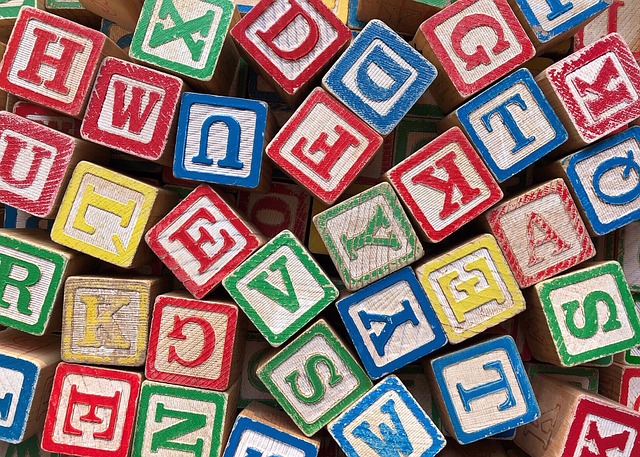
Cna Yuo Raed Tihs?

Image by WOKANDAPIX from Pixabay

I’ll bet you can!

I’m sure most of us immediately deciphered the title of this post as “Can You Read This?”

But how was your brain able to make sense of the jumbled letters so quickly?

Researchers believe that our brains use context to make predictions about what’s to come. Take an example like:

“Yuo cna porbalby raed tihs esaliy desptie teh msispeillgns.”

This is readable because as our brains decipher each word, they also predict which words would logically come next in order to make a coherent sentence. When faced with a word we can’t quite unscramble, our brains fill in the gaps based on subsequent words.

This even works with words that have NUMB3RS 1NST3AD 0F L3773RS. The numbers’ similar appearance to letters trumps their normal meaning.

Jumbled words are easiest to read when the first and last letters of the word remain the same, and only the letters between them are transposed. But when the middle letters are scrambled more confusingly, your brain has a harder time trying to process all the letters simultaneously. Try deciphering this:

“Big ccunoil tax ineesacrs tihs yaer hvae seezueqd the inmcoes of mnay pneosenirs.”

That was a bit more difficult, wan’t it?

But what about when it’s our lives that are a-jumble? When things happen to us that don’t seem to fit a meaningful pattern?

How do we make sense of the bewildering hardships and crises that often beset believers?

Read more