Follow The Cat

Image by congerdesign from Pixabay

If you have ever owned a cat (or have been owned by one), you’ll know that if you want to find the warmest, most comfortable place in your home, just follow the cat.

Cats unerringly zero in on the most comfortable spot in your house. They’re not above stealing your favourite chair or displacing you from your own bed in their quest for comfort.

Our feline friends consistently find the sunniest windowsill on which to perch or a warm heating vent in the floor over which to drape themselves. They’ll snuggle into the coziest, most protected part of the sofa, or stake out a claim on the most comfy lap.

Cats are masters at pinpointing zones of highest comfort.

But if you’re in need of comfort, reassurance, love and protection, where do you find it?

Follow the people who know the Source of all comfort.

Read more

What Birds Can Teach Us About Prayer

Image by GeorgeB2 from Pixabay

It’s good to keep in touch with those you love, isn’t it?

Even birds know this.

Birds will engage in what are called “contact calls” with their mate or others in their flock. Unlike a bird’s song, a call is usually shorter and quieter. The purpose of contact calls is to maintain a continuous connection and to keep track of where each bird is located.

The Northern Cardinal, for instance, makes a brief metallic “chip” sound to keep tabs on its mate’s location when they’re both foraging for food. The mate will respond with the same call as reassurance that they’re nearby and that all is well.

We humans engage in the same type of behaviour. We’ll often make a short phone call or send a quick text to a loved one to keep track of how they’re doing and to reassure them that we’re all right.

I think our Creator would appreciate getting a “contact call” from us on a regular basis, too.

Read more

God Will Go Ahead of You

Cow eyeing something suspiciously. Image by ArtTower from Pixabay

Do you ever get a bit anxious when faced with something completely new?

Like how to find a new job in an economy that’s unlike anything you’ve seen before? Or how to navigate a world that’s turned upside-down?

Many of us shrink from the prospect of entering uncharted territory.

And we’re not the only ones: even some animals balk when confronted with something unfamiliar.

Cows are notorious for disliking disruptions to their routines and environments. They’re particularly averse to new gates. Cows are made so nervous by new entrances and openings that they’ll stubbornly resist going through them.

This trait is so well known that it’s given rise to the phrase, “like a cow looking at a new gate.” It means to view something with bewilderment and confusion, as though to say, “Are you serious? I’m not going through that.

Do you feel this way when faced with the uncertainties that the new year may bring? Is fear of the unknown keeping you from stepping forward in faith to realize your dreams?

Fear has a way of paralyzing us, so that we stay stuck where we are instead of trying something new.

But we needn’t be afraid.

God will go through the gate ahead of us.

Read more

How Are You Sleeping?

Photo by Danny Chang on Pixabay

How have you been sleeping recently? Do you find yourself waking at night, worried about the future?

Wish you could sleep as soundly as your pet?

Cats and dogs have an advantage when it comes to sleeping deeply. They’re predator animals: in the wild, canines and felines are hunters. Large predator mammals generally spend more time in deep non-REM sleep than their prey.

Prey animals such as rabbits or deer, the hunted, spend more time in lighter non-REM sleep. They also experience very little REM sleep at all. Their survival is dependent on being permanently alert, and the paralysis of REM sleep would make them too vulnerable to their predators.

I wonder if the poor sleep we humans often experience relates to our feeling “hunted,” relentlessly chased by worries, deadlines, and obligations?

Is there a way we can calm our anxious minds and get a good night’s rest?

Yes! I believe the Bible offers some tips to help us sleep better.

Read more

You’re Not As Alone As You Think

Photo by Lorie Shauli on Flickr CC BY-SA-2.0

Winter can be a lonely time, can’t it?

The joyful symphony of birdsong that graced the spring and summer months has diminished. In these parts, most birds have already flown south for the winter by now. The backyards and parks seem unnaturally quiet, with nary a chirp to be heard.

It can leave us feeling bereft, like we’re all alone.

But we’re never as alone as we might think, as we’ll see from some encouraging accounts in the Bible.

Read more

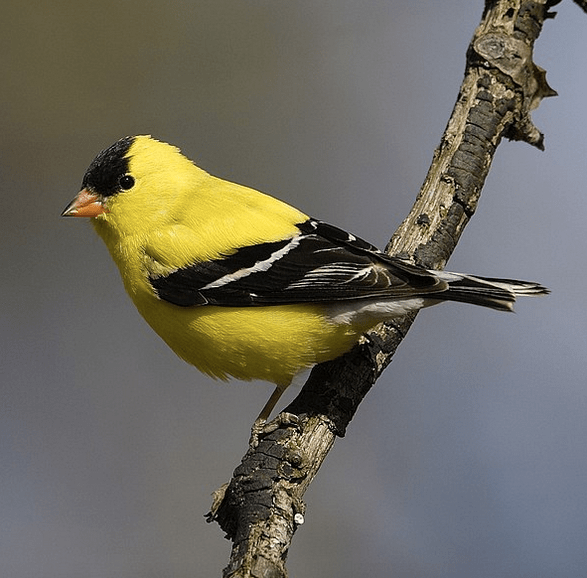
Sing While You Fly!

American Goldfinch
Wikimedia Commons, CC BY-SA-3.0

Birds, like humans, have different quirks.

Some birds like to have everything “just so” before they sing.

The time of day has to be just right, they have to be perched at the top of just the right tree, or they have to be within earshot of a desirable mate.

They would never think of singing if the conditions weren’t to their liking, or if they were busy doing something else at the time, like flying.

Other birds aren’t quite so picky.

Take the American goldfinch, for example.

This handsome little songbird has some unusual traits. One of them is that his flight pattern resembles a roller-coaster instead of a level path.

Another is that the goldfinch is perfectly happy singing while he’s flying.

He doesn’t wait until just the right circumstances fall into place—this yellow fellow sings while he goes about his daily business.

Perhaps we can take a page from the goldfinch’s book?

Read more

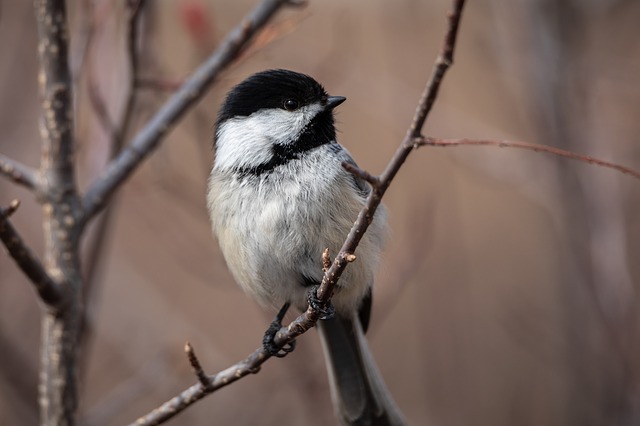
The Key to Stronger Faith

Chickadee Photo by Larry Doucet on Pixabay

A chickadee may have a bird-brain, but it can actually be pretty smart.

Especially if it lives in a harsh climate.

What does climate have to do with bird intelligence? As it turns out, more than you’d expect.

Biologists have discovered that chickadees living in the mountains or in northern latitudes, where the weather is more severe, were smarter than their peers living more comfortably down below.

Chickadees from harsher habitats had superior spatial memories and problem-solving abilities than those living in gentler climes. They were better at finding stored caches of food and at figuring out how to access a worm treat that scientists had cleverly tucked into a glass tube.

The harsh environment makes their brains work a bit harder.

Is there a lesson for humans in the example of the chickadees?

Yes, but it isn’t to move to a more wintry climate (take it from a Canadian who’s done her share of shovelling snow—it hasn’t made me smarter!).

The takeaway here is that there can be unseen benefits to the challenges we face.

Read more

The Promise of Return

Monarch Butterfly
Photo by Peter Miller on Flickr CC BY-NC-ND-2.0

One of the greatest natural events on Earth is now underway: the migration of the monarch butterfly.

Each fall, millions of these colourful insects set off from their summer breeding grounds in the northeastern U.S. and Canada for a gruelling journey. They travel thousands of miles across North America all the way to Mexico, where they’ll spend the winter.

Many people believe that the monarch butterflies which leave in the fall are the same ones which arrive back in the spring, but this isn’t so. Individual butterflies don’t make the entire round-trip journey. The ones which migrate from the northeastern part of North America in fall will never return.

Rather, their great-great-grandchildren are the ones who will arrive the following spring, as successive generations keep making their way north. The entire annual migration cycle of the monarch takes about four generations.

Perhaps I’m being fanciful, but I can imagine monarch butterflies telling their children of the awesome journey they’ll be undertaking. They may say that they’ll only be able to go part of the way with them, but to keep the faith and keep going.

Maybe they encourage their children to tell successive generations to keep believing in the promise of return. Because eventually, their descendants will see the promise fulfilled.

Aren’t we in a similar situation as believers?

Read more

What Geese Can Teach Us

Canada Geese Flying
Photo by David Mark on Pixabay

Usually, the first signs of fall are visual: the leaves on trees start to redden, the fall asters begin blooming, and the sun is at a noticeably lower angle.

But sometimes you can hear the onset of fall.

Today at The Faith Cafe we could hear the sound of Canada geese honking at each other as they flew overhead, preparing to fly south for the winter. They’ll fly to warmer climes in their iconic V-formation, honking the whole trip.

But why do they honk at one another as they undertake their momentous journey, and why fly in a V-shape at all?

The lessons geese can teach us have long been used in leadership seminars, but I think they apply to our Christian walk as well.

Read more

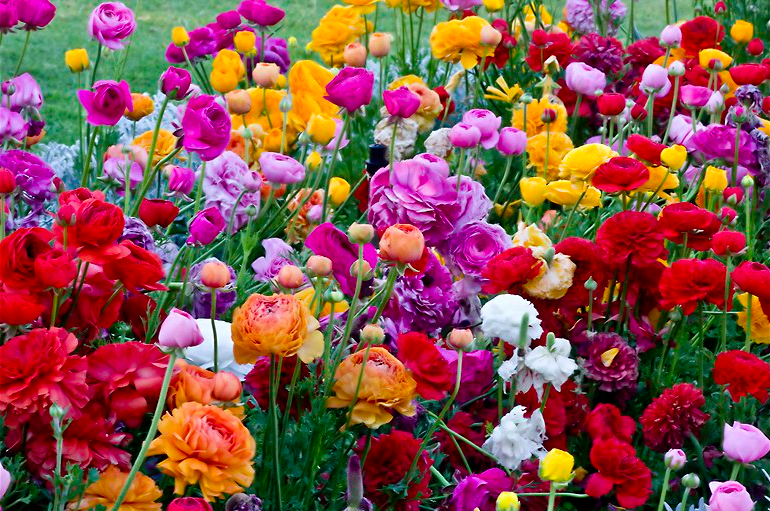
The Language of Flowers and the Language of God

Say it with flowers!
Wikimedia Commons, CC BY-SA-2.0

Flowers speak. Not just through their fragrance or their beauty, but with secret codes, too.

Perhaps you’ve heard of the “language of flowers” popular during Victorian times? This enchanting symbolic language enabled suitors to send coded messages to their paramours, ones that couldn’t be spoken aloud. The message depended on the particular flowers and colours chosen for the bouquet. An entire conversation could be carried out solely through flowers, with no words employed at all.

We all know that red roses symbolize true love, and we’d rightly guess that the forget-me-not begs that the giver be remembered. But did you know the following flower meanings?

Red carnation: My heart aches for you
Hyacinth: Your loveliness charms me
Canterbury bell: Your letter received
Yellow rose: Jealousy
Butterfly weed: Let me go
Weeping willow: Sadness

The Victorian language of flowers is a cryptic tongue. Most people only see the surface of the flower and not the symbolic meaning hidden within it.

God has His own “language of flowers,” but it actually encompasses all of creation. God is continually speaking to us through nature:

“For ever since the world was created, people have seen the earth and sky. Through everything God made, they can clearly see his invisible qualities—his eternal power and divine nature. So they have no excuse for not knowing God.” (Romans 1:20 NLT)

“The heavens proclaim the glory of God. The skies display his craftsmanship.” (Psalm 19:1 NLT)

If we listened in to what nature was saying about its Creator, what messages would be revealed?

Read more