What’s in a Name?

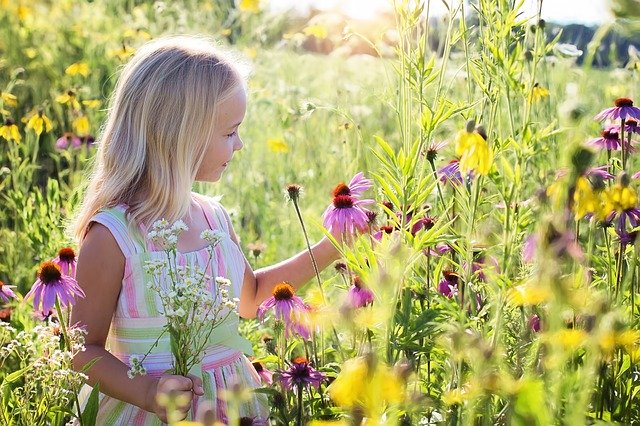
Photo by Jill Wellington on Pixabay

As a gardener, I must admit that I prefer using the common or folk names for flowers.

These sometimes ancient names are often whimsical and enchanting. Who wouldn’t love calling flowers by such names as cherry pie plant, lady’s slipper, love-in-a-mist, baby blue eyes, bachelor’s button, quaker ladies, whirling butterflies, johnny-jump-up, busy lizzie, or candytuft? It makes the heart sing to use endearing names like these.

The scientific or botanical names for flowers, on the other hand, can seem daunting. They’re usually derived from Latin, and while they can give a more accurate description of what a plant’s nature is, they can sound a bit intimidating to my ears.

In fact, some botanical names actually sound like a disease:

“Don’t tell anyone, but I’ve got Scabiosa again.”

“That’s nothing! You should see my sister’s Myosotis: it’s rampant.”

“You don’t say! But did you hear about Kelly? She’s got Nepeta nervosa.”

“No! Is she seeing a psychiatrist for that?”

(In case you’re wondering, Scabiosa is the botanical name for the pincushion flower; you might know Myosotis better as the little blue forget-me-not; and Nepeta nervosa is a type of catmint.)

I’m so glad that we have the opportunity to use informal names for the flowers we cherish.

In the same way, believers have been given the great privilege of using a remarkably intimate name for God: “Abba Father.”

Read more
One Hundred Words for Snow (and for God)

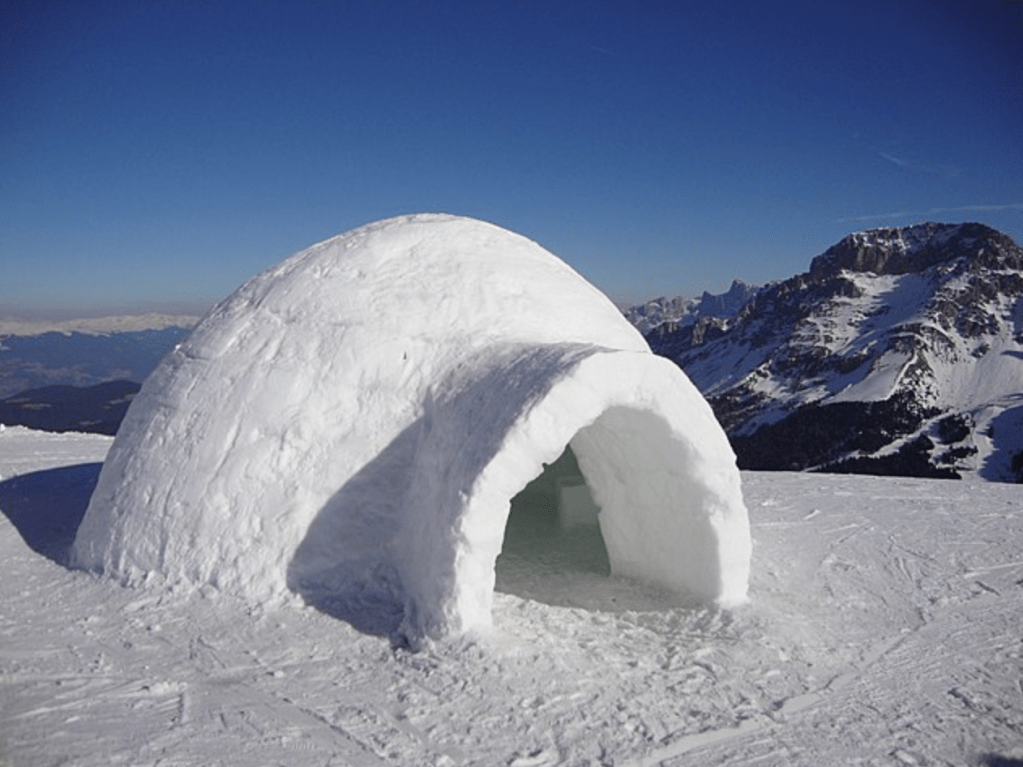
Image by Maurizio Ceol, Wikimedia Commons, CC BY 3.0

They say that the Eskimo and Inuit peoples have over 100 words for snow.

Is this actually true, or is it just a cliché?

There has been heated debate on whether the Eskimos really do have that many distinct words for snow. I consulted Giles Whittell’s 2019 book “Snow: A Scientific and Cultural Exploration” for information.

Whittell refers to a recent contribution to the question by the Smithsonian Arctic Studies Center. They determined that in Canada’s Nunavik region, the Inuit there have 53 distinct words for snow; in the Central Siberian Yupik dialect they counted 40.

Among the words listed in the Yupik dictionary are:

“kanevvluk” = fine snow
“navcaq” = snow formation about to collapse
“qanisqineq” = snow floating on water
“utvak” = snow carved in a block, as for an igloo

Clearly, those living in the extreme north do have far more words to describe snow than those who makes their homes farther south.

As Whittell says, “…people learn to describe in greatest detail what matters most to them.”

I suppose that the number of words a culture has to describe something tells us a great deal about the importance they place on it.

Read more

What’s in a Name?

Photo by Jill Wellington on Pixabay

As a gardener, I must admit that I prefer using the common or folk names for flowers. These sometimes-ancient names are often whimsical and enchanting, like “Miss Willmott’s Ghost,” whose origins we explored last week.

Who wouldn’t love calling flowers by such names as cherry pie plant, lady’s slipper, love-in-a-mist, baby blue eyes, bachelor’s button, quaker ladies, whirling butterflies, johnny-jump-up, busy lizzie, or candytuft? It makes the heart sing to use endearing names like these.

The scientific or botanical names for flowers, on the other hand, can seem daunting. They’re usually derived from Latin, and while they can give a more accurate description of what a plant’s nature is, they can sound a bit intimidating to my ears.

In fact, some botanical names actually sound like a disease:

“Don’t tell anyone, but I’ve got Scabiosa again.”

“That’s nothing! You should see my sister’s Myosotis: it’s rampant.”

“You don’t say! But did you hear about Kelly? She’s got Nepeta nervosa.”

“No! Is she seeing a psychiatrist for that?”

(In case you’re wondering, Scabiosa is the botanical name for the pincushion flower; you might know Myosotis better as the little blue forget-me-not; and Nepeta nervosa is a type of catmint.)

I’m so glad that we have the opportunity to use informal names for the flowers we cherish.

In the same way, believers have been given the great privilege of using a remarkably intimate name for God: “Abba Father.”

Read more