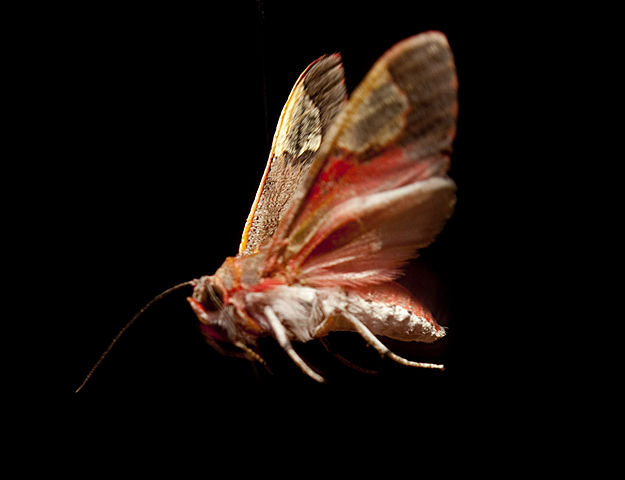
Jam the Signal!

The tiger moth Bertholdia trigona is the only animal in nature known to jam
the echolocation of its predator
Photo from Wikimedia Commons

Bats are crafty creatures.

Being nocturnal, bats search for food at night, but their night vision is fairly poor. So instead they use echolocation, or reflected sound, to home in on insects such as moths. Their built-in sonar directs them to the precise location of the tasty morsels; then it’s just a matter of swooping in and gobbling them up.

So the bats’ prey have to be crafty as well.

Certain species of tiger moth have the ability to emit sonar of their own. As a bat is closing in, the moth emits a fusillade of ultrasonic clicks. This barrage blurs and disrupts the bat’s echolocation: the signal is essentially jammed. The baffled hunter can no longer “see” the moth, and is tricked into thinking its target has vanished. Thwarted, the hungry predator flies away, and the prey is safe.

Our little tiger moth beats its enemy at its own game.

Wouldn’t it be nice if we could “jam the signal” of the enemy of our soul? If we could disrupt and counter the lies the world tells us about ourselves?

In fact, there’s a way that we can.

Read more
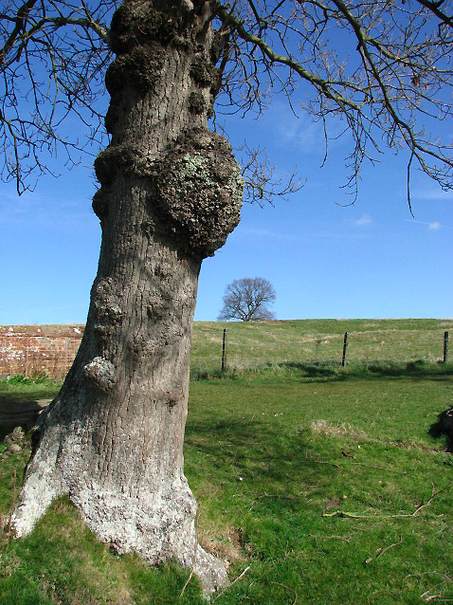
Beauty in Unexpected Places

Burl on Tree Trunk.
Image by Evelyn Simak, Wikimedia Commons, CC BY SA-2.0

Sometimes there can be magic hidden within the most unlikely of places.

Take tree burls, for instance (or burrs, to our British friends).

These rounded, knotty growths found on tree trunks can seem very ugly.

Burls form when the tree is under some kind of stress, causing bud growth cells to develop in an abnormal way. Such stressors might include bacteria, viruses, fungi, insect infestations, or wounds. A burl is visible evidence of how the tree is dealing with these attacks.

They look rather like tumours, and mar the otherwise regular pattern of the bark.

Surely there’s nothing good about burls?

But there is.

Their unsightly exterior hides magnificence.

Few people know that inside these contorted and gnarled outgrowths is concealed something wonderful. The wood that burls yield is unusual and highly figured, making it valued and sought after by woodworkers and artists.

This unique wood is prized for its beauty and rarity, and is often used for veneers or inlays in fine furniture, trim or panelling inside luxury cars, and for household objects like bowls or pens, which become works of art.

Do you have a few “burls” in your life? Some knotty problems that have grown into a tangled mess?

Wonder if God could ever bring something good out of them?

He can!

Read more