What Is Your Inukshuk?

Inukshuk Photo by Jsig9 on Pixabay

If you’re Canadian, you probably know what an inukshuk is.

If you’re not Canadian, then let me offer you my condolences. (Sorry! Just kidding!)

But seriously, as we Canadians celebrate our national birthday today, it seems apt to delve into the meaning behind this iconic symbol of the high north.

An inukshuk is a stone structure built by the Inuit and other peoples of the Arctic regions of North America. The stones may simply be stacked vertically, or they may take the form of a human figure.

The distinctive shape of the inukshuk is featured on the flag of Nunavut, a Canadian territory, and also served as the inspiration for the logo of the 2010 Olympics in Vancouver.

Inukshuks have been traditionally used by the Inuit people as landmarks for navigation, guideposts for travellers in a barren landscape. They might also mark out a sacred spot, or function as a commemorative sign.

I think we believers need “inukshuks” in our lives, don’t we?

Reminders of the things God has done for us, how far He’s brought us. Beacons to others travelling the same journey, showing them the path that leads to life.

Read more
Merry Christmas!

Welcome to the cafe! Come on in and take a seat!

I’m so glad that you’ve chosen to spend a small part of your Christmas here at The Faith Cafe.

You’ll notice that the cafe is all decked out for the holidays, with a wreath on the front door, garlands above the fireplace, lights galore, and a huge Christmas tree in the corner. (Remember, this is a virtual cafe, so you’ll have to use your imagination!)

We’ve got Christmas carols playing, and all your favourite treats behind the counter: mulled cider, hot chocolate, specialty coffees, and plenty of baked treats.

The only thing missing?

Being able to see you in person and shake your hand!

So short of doing that, I’d like to thank each of you who has dropped by this site in the past year and has been kind enough to read (and like) my posts.

I’ve been thrilled that The Faith Cafe has logged visitors from almost every continent (I’m still waiting for someone at a research station in Antarctica to drop by!).

Read more

Multiply Your Thanksgiving

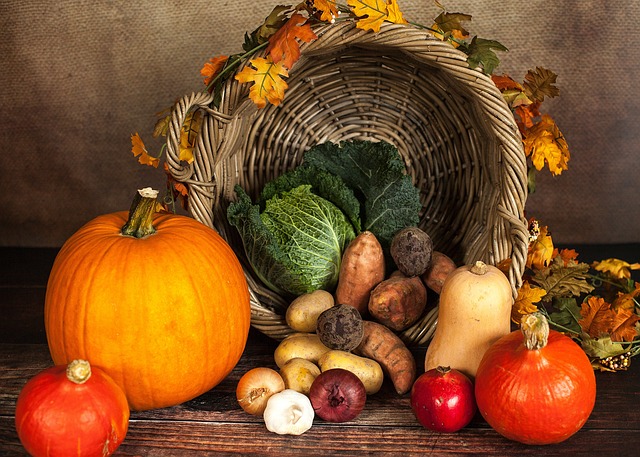
Image by Sabrina Ripke from Pixabay

Is it ever possible to be too thankful?

Not in my books.

Especially when Thanksgiving Day involves your favourite foods; roast turkey with all the trimmings, cranberry sauce, potatoes and gravy, and pumpkin pie.

That’s why Canadians who visit relatives in the States in the fall are lucky: they get to celebrate Thanksgiving Day twice.

This year, Canadian Thanksgiving is today, Oct. 9, while Americans celebrate their Thanksgiving on Nov. 23. Canadians popping across the border to spend time with American relatives on their holiday get to have an encore of the Thanksgiving feast.

This is not a problem if you love turkey, as I do. (If you don’t, please invite me over and I’ll eat your share for you.)

This got me thinking: is it ever possible to be too thankful to God?

Again, my answer would have to be no.

It pleases God greatly when we thank Him for what He’s done in our lives.

Read more

New Life From Broken Eggs

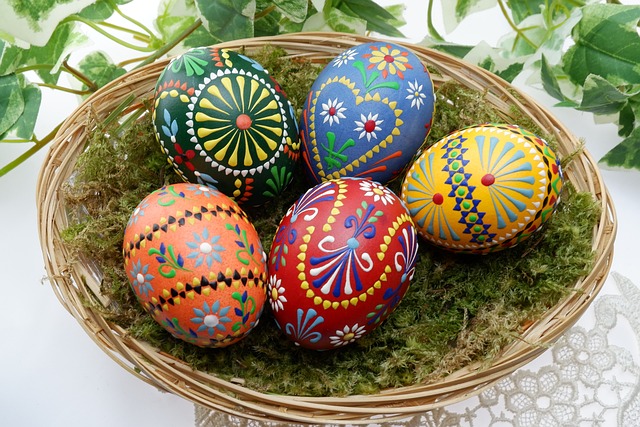
Image by Kornelia Thor on Pixabay

There is often great beauty in simple things. Take the egg, for instance.

Even a plain white egg is pleasingly shaped, adorably sized, and a perfect blend of form and function.

Add some decoration, and you’ve got a small masterpiece.

Countries such as Ukraine have made an art out of decorating eggs as an Easter tradition.

Eggs “decorated” by God have a beauty all their own. There’s a charm to naturally speckled bird eggs that is irresistible.

You’d like to keep them intact forever, enjoying their freckled surface and gentle colours for as long as possible.

But if the eggs perpetually remained in the same state and were never broken open, you’d miss out on an even greater joy: you’d never get to see the chick emerge.

Sometimes you have to let go of something you love to receive an ever greater blessing.

This is something the disciples had to learn at the first Easter.

Read more

Forward Guidance From God

1890s image of banker from Picryl, Library of Congress collection, Public Domain.

Central bankers can be inscrutable folk.

They issue statements regarding the economy that can sometimes be a bit enigmatic and vague.

Economists and journalists pore over every word of each press release, trying to read between the lines and guess at what the central banker is thinking and planning.

At other times, however, central bankers are more forthright.

They issue what is known as “forward guidance”: clearcut statements about the likely course of future monetary policy.

They may plainly state that at their next scheduled meeting, interest rates will be going up (or down). People are able to make decisions about mortgages or loans based on that foreknowledge.

Don’t you wish that God offered “forward guidance”?

Wouldn’t it be wonderful if God let you know in advance what’s coming down the pike in your life?

Read more

Merry Christmas From The Faith Cafe!

Merry Christmas to all my visitors and followers!

The Faith Cafe will be taking a short break over the holidays, but I’ll look forward to seeing you again in the New Year.

In the meantime, I’ll leave you with this quotation:

“God grant you the light in Christmas, which is faith;
the warmth of Christmas, which is love;
the radiance of Christmas, which is purity;
the righteousness of Christmas, which is justice;
the belief in Christmas, which is truth;
the all of Christmas, which is Christ.” (by Wilda English)

Image by Alexandra_Koch from Pixabay

Remember, the best Christmas gift is to realize how much you already have!

Wishing you and your family peace, love, goodwill, and all the other blessings of Christmas, plus a happy and healthy 2022!

Lori

“For unto us a child is born,
unto us a son is given:
and the government shall be upon his shoulder:
and his name shall be called Wonderful, Counsellor, the Mighty God,
The Everlasting Father, the Prince of Peace.”

Isaiah 9:6

© 2021 Lori J. Cartmell. All rights reserved.

The Blessings of Not Seeing

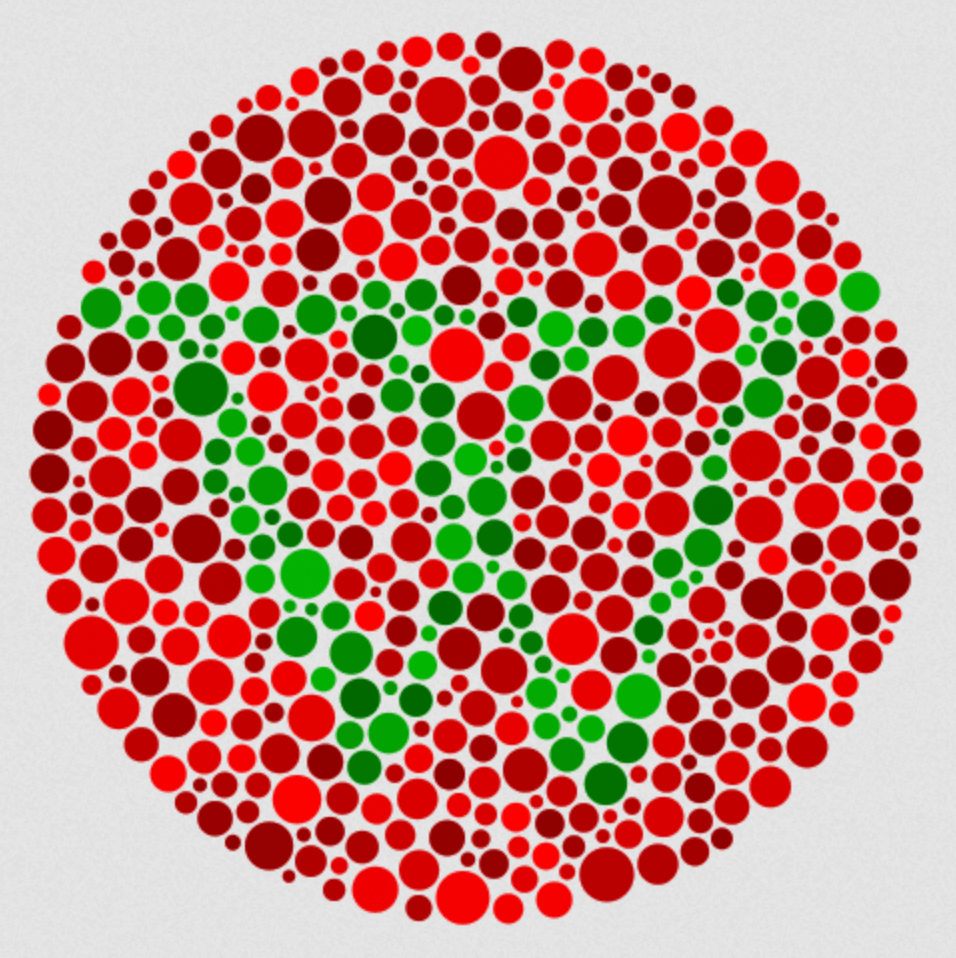
Ishihara test for colour blindness. Those with normal colour vision should see a green W on a red background. Image by Wikimedia Commons, CC BY-SA 3.0

The colour blind have to take a lot by faith.

The term “colour blind” means just what it says: unable to perceive certain colours. The most common type of this vision disorder is red-green colour blindness. People with this visual deficiency may see these colours as yellowish or greyish.

While these individuals have never seen red or green, they do acknowledge that these colours exist.

Why?

Because they trust in the conviction of others who have seen red and green. They believe that those who have had real-life experience of these colours are telling the truth. So the colour blind take our word for it that these hues genuinely exist.

Basically, they believe in the existence of red and green by sheer faith.

As believers in Christ, there are fundamental things that we have to take by faith, too.

And the Bible says we will be blessed for what we haven’t seen.

Read more

Love In Disguise

Image of elephant by laurent marx from Pixabay

Have you ever been shocked to find out that things which look nothing alike are actually closely related?

I know two men who are brothers, but who don’t resemble one another at all. One takes after his father with his dark, curly hair; the other has his mother’s straight blond hair. You would never take them for siblings by just looking at them.

It’s the same in the natural world, too. There are some plants which surprisingly belong to the same family, despite looking totally different. Broccoli and cabbages, for instance, which are both Brassicas. It’s hard to believe from their appearance that they have common roots, so to speak.

This disparity is even more evident in the animal world.

Surprisingly, jellyfish and corals are related, even though one swims like a fish and the other is fixed in place like a plant. They’re both members of the Cnidarian family.

Horseshoe crabs are actually more closely related to spiders than to other crabs, despite there seeming to be no family resemblance at all.

Image of manatee by PublicDomainImages from Pixabay

Elephants and manatees are kin, even though one lives on land and the other underwater.

I think the love of God follows this same pattern at times.

Sometimes His love looks nothing like what we would expect, so we don’t recognize certain circumstances as reflecting God working in our lives for our good.

Read more

The Comparison Trap

Image by Sue Rickhuss from Pixabay

Around this time of year, an unwanted visitor makes its way into many a gardener’s life.

I’m not talking about weeds or pests, although we certainly have to contend with those.

Rather, I’m referring to garden envy.

It starts out when we’re visiting the gardens of friends or neighbours. At first, we admire their lush plantings and attractive landscaping.

If we’re not careful, however, this appreciation can morph into envy. We think, I wish I had roses as beautiful as hers. Or, if only I had room in my yard for a gazebo like he does.

This envy can then develop into disenchantment with what we have. Why am I stuck with so much shade in my yard? Why can’t we afford an inground pool?

We can even become resentful of our comparatively meagre gardens, when we should be grateful to have a garden at all: many people don’t.

Envy is something we need to nip in the bud, whether it relates to our gardens or our lives.

We get into trouble when we start comparing ourselves to others. This is true even in spiritual matters.

Read more

The Dark Side of the Moon

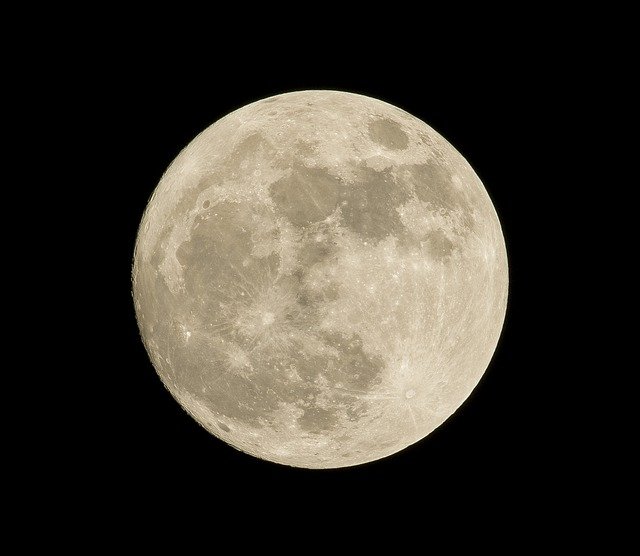
Image by Pexels from Pixabay

Is the “dark side” of the moon truly as dark as we think it is?

From Earth, we only see one side of our companion satellite. The moon is “tidally locked” with our planet, with the result that it always presents the same face to us.

Because we can’t see the side of the moon facing away from the Earth, we sometimes assume that it’s in perpetual darkness.

But this isn’t so. The “dark side” of the moon (which should more accurately be called the “far side”) gets just as much sunlight as the face we see. All sides of the moon receive the sun’s light equally in turn.

From the sun’s perspective, the moon doesn’t have a dark side at all.

It’s our perspective that throws us off and leads us to the wrong conclusion.

We can easily fall prey to misconceptions about our own lives, too. When we don’t have the right perspective, we can assume that things are darker than they really are.

Naomi in the Old Testament Book of Ruth certainly made this mistake.

Read more