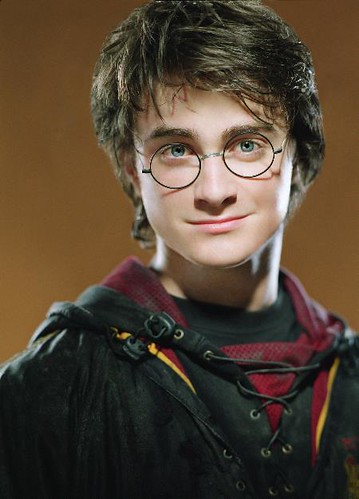
Photo by longplay on Flickr.
If you’re a Harry Potter fan, this post might have special resonance for you.
While much media attention has focussed on the astonishing success of the Harry Potter juggernaut over the years, perhaps less attention has been paid to the stories of the unsung heroes behind the scenes who have worked so hard to create the films in the franchise.
A recent documentary, “David Holmes: The Boy Who Lived,” sheds light on the poignant story of one of these individuals.
David Holmes was chosen early on to be the stunt double for Daniel Radcliffe, who played Harry Potter in the films. Starting with the very first film, and for the next ten years, David and Daniel worked closely together and developed a strong bond.
David’s exceptional talents as a gymnast enabled him to perform breathtaking stunts. As a stand-in for Daniel, David’s skills were brought into play whenever a stunt was deemed too dangerous for the lead actor himself.
All went well, until the filming of the next-to-last Harry Potter movie in 2009.
While filming a scene for “Harry Potter and the Deathly Harrows, Part One,” a tragic accident left David paralyzed with a spinal injury, turning his world upside down.
The documentary is an inspiring account of David’s story and of the bond that still exists between the two men. It also depicts the reverberations the accident had on Daniel’s life, and how he navigated the complex mix of guilt and admiration brought on by seeing the great cost his friend bore for taking his place.
And therein lies the lesson we can learn from this as believers.
We, too, have someone who stood in our place and paid a terrible price for doing so.
Read more
 The Faith Cafe

