
The Other Side of the Window

Image from PIckpik

While walking in my neighbourhood the other day, I saw something mysterious.

On one person’s front lawn there stood a jumble of foot-high letters of the alphabet, placed upright on stakes near the front window.

But the letters seemed randomly placed; they didn’t form coherent words. Was this some sort of secret code? Also, the letters were backwards from the perspective of anyone walking by on the sidewalk.

I then realized that they were meant to be read by someone inside the house.

When I deciphered the letters with this in mind, it suddenly made sense. Someone inside looking out the front window would see this message clearly spelled out on their front lawn:

“Happy Birthday!”

I was looking at the letters from the wrong side of the window. If I had been inside the home gazing out, the message would have been clear from the get-go.

I think this is true of a lot of things in our lives.

Some things we go through as believers won’t make sense until we’re on the “other side of the window.” By that I mean when we’re in Heaven, looking back at our time on Earth.

Read more
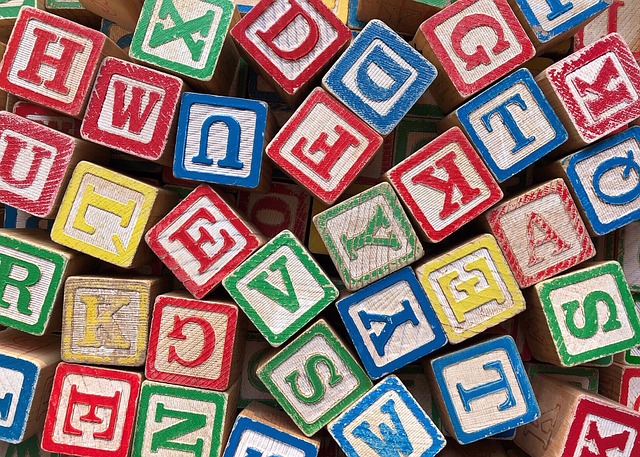
Cna Yuo Raed Tihs?

Image by WOKANDAPIX from Pixabay

I’ll bet you can!

I’m sure most of us immediately deciphered the title of this post as “Can You Read This?”

But how was your brain able to make sense of the jumbled letters so quickly?

Researchers believe that our brains use context to make predictions about what’s to come. Take an example like:

“Yuo cna porbalby raed tihs esaliy desptie teh msispeillgns.”

This is readable because as our brains decipher each word, they also predict which words would logically come next in order to make a coherent sentence. When faced with a word we can’t quite unscramble, our brains fill in the gaps based on subsequent words.

This even works with words that have NUMB3RS 1NST3AD 0F L3773RS. The numbers’ similar appearance to letters trumps their normal meaning.

Jumbled words are easiest to read when the first and last letters of the word remain the same, and only the letters between them are transposed. But when the middle letters are scrambled more confusingly, your brain has a harder time trying to process all the letters simultaneously. Try deciphering this:

“Big ccunoil tax ineesacrs tihs yaer hvae seezueqd the inmcoes of mnay pneosenirs.”

That was a bit more difficult, wan’t it?

But what about when it’s our lives that are a-jumble? When things happen to us that don’t seem to fit a meaningful pattern?

How do we make sense of the bewildering hardships and crises that often beset believers?

Read more