Islands of Hope

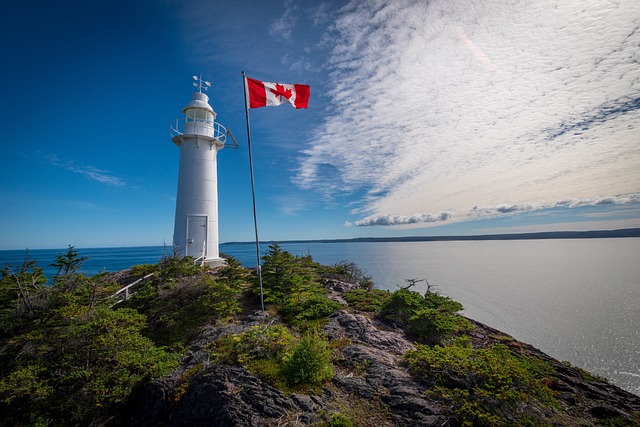
Image of lighthouse on the coast of Newfoundland by Felix Dilly from Pixabay

Transoceanic plane travel has always been fraught with potential problems.

Fuel could run low or a plane could develop mechanic problems mid-flight. The pilots would need a place to set down, pronto.

But in the middle of the ocean, where is there to land?

That’s where islands come in.

There are some handy places to land even in the vast expanse of the oceans.

In the Pacific, islands such as Midway, Wake, and Hawaii are available. The Atlantic offers Iceland, the Azores, and Bermuda, among others.

Not least is Newfoundland, an island off the eastern coast of Canada. For decades its Gander airport was used as a refuelling stop for planes making the hop across the Atlantic. It’s also an emergency landing spot for aircraft in trouble.

Gander is perhaps best known for its role in accepting 38 diverted planes that had to set down during the terrorist attacks in the U.S. on 9/11, twenty-two years ago today. Over six thousand passengers were generously hosted by the surrounding communities until U.S. airspace was reopened, a story commemorated in the hit musical, “Come From Away.”

Gander was truly an island of hope during that time.

I think we can all be islands of hope for others.

Read more

Weed-Free Living

Image of dandelions by Hans Linde from Pixabay

Is it just my imagination, or do weeds actually grow faster than the flowers I’m trying to nurture?

Gardeners will know what I’m talking about. Weeds seem to be gifted with internal steroids that accelerate their growth, outpacing the delicate flowers that we’ve brought home from the garden centre.

Weeds don’t seem to be affected by lack of rain or by intense heat. They’ll grow just about anywhere. They’re speed demons of growth compared to the flowers we try to baby along with regular watering and fertilizing.

I looked into this crucial issue on behalf of readers of The Faith Cafe, and found that weeds do have some competitive advantages.

Weeds which are perennials have the benefit of established root systems that have been alive for many years; these dormant roots have a lot of stored energy. Perennial weeds grow faster and are harder to kill than annuals.

Weeds are already acclimated to the region’s soil, and are highly adaptable. They’re usually native plants that thrive in the local ecosystem, unlike plants from the garden centre which may be non-native and need time to adjust.

Weed seeds are already present in our garden soil. They bide their time until the right conditions present themselves, and then race out of the soil. They’re often excellent self-propagators and are opportunistic growers.

All these things give weeds a head start over the flowers we favour.

This got me thinking:

Why do the “weeds” of our character grow better than the fruits of the Spirit?

Are there lessons we can learn from the natural world?

Read more

Old Wooden Spoons

My old wooden spoon, with its newer, unused cousin

Do you have a favourite cooking utensil? One you keep returning to even though you may have a newer, better replacement for it?

I do. It’s an old wooden spoon that’s been used by my family for decades. In fact, it’s probably older than I am (I won’t tell you my exact age, but let’s just say that I remember Watergate. Enough said).

Read more