Reap What Jesus Sowed

If you’re a gardener, you know the joy of harvesting fruits or vegetables that you’ve grown yourself.

You get to savour the fresh, delicious taste of home-grown produce. You’re quite literally enjoying the fruits of your labour.

Is there anything more satisfying?

How about reaping the benefits of what someone else has grown?

Perhaps you have a neighbour who gives you the excess from their own vegetable garden?

Or better yet, maybe you were as fortunate as a friend of mine. She and her family moved away from the big city a few years ago and bought a house in the suburbs, which sat on a large lot.

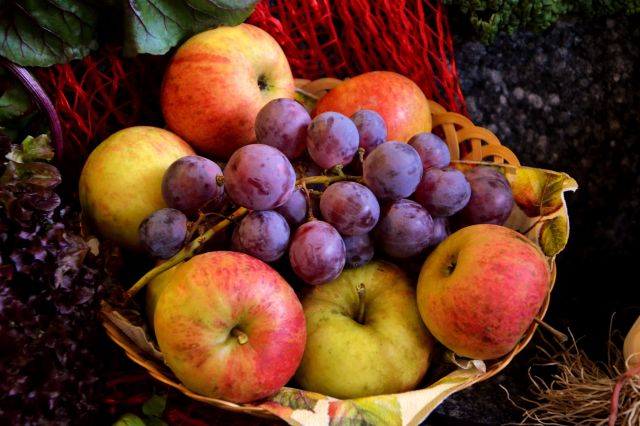
The previous owners of the house were botanists, so they had packed the property with beautiful and unusual perennials and shrubs. They’d also planted a number of fruit trees.

My friend and her family moved in mid-year, and didn’t need to do a lick of work in the mini-orchard in their new backyard. All they had to do was sit back and enjoy it, harvesting the fruit from trees that someone else had planted.

This reminds me of a verse from the Old Testament. Moses was telling the children of Israel that God would one day bring them into the Promised Land. Here’s how he described it:

“… a land with great and splendid cities that you did not build, with houses full of every good thing with which you did not fill them, with wells that you did not dig, and with vineyards and olive groves that you did not plant...” (Deuteronomy 6:10-12)

To me, this is a picture of what Christ has done for us.

In the old law-based covenant you reaped what you sowed, but in the new grace-based covenant we reap what Christ has sown.

Read more
The Burning Question

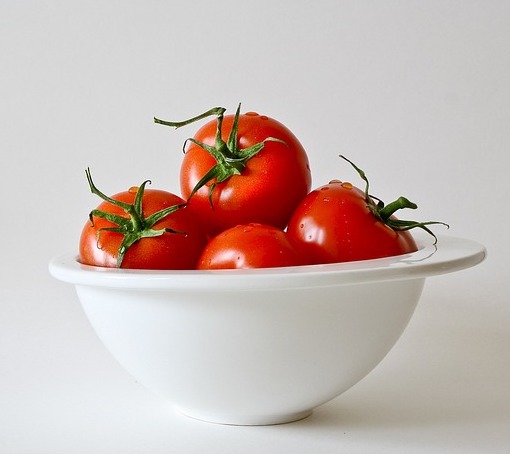
Image by Anelka from Pixabay

Are tomatoes fruits or vegetables?

I might have opened up a can of worms just by asking, because disagreement has surrounded this issue for generations.

In fact, the US Supreme Court has even weighed in on this burning question.

This issue was brought to a head in 1893 in Nix v. Hedden. The Court held that, even though tomatoes are fruits botanically, they would be classified as vegetables for the purposes of tariffs, imports and customs.

Did this settle the matter? Hardly.

Some US states have since named the tomato their state fruit; others call it their state vegetable.

It’s the sort of issue that produces arguments to this day.

Let me ask you another question:

Was Jesus simply a good man and teacher, or was He Lord?

The answer to this question has eternal consequences for each of us. It’s not simply a matter of “You say tomayto, I say tomahto.”

Read more

We Grow Better Together

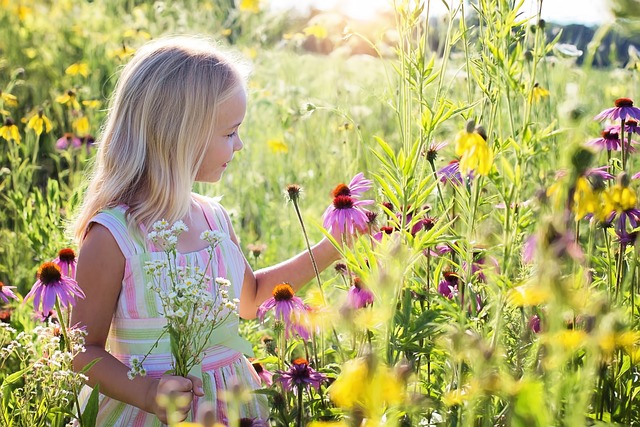
Image by Jill Wellington from Pixabay

As gardeners know, some plants need their best buddies nearby in order to flourish.

It’s been known for centuries that planting certain combinations of plants together can help the garden prosper. This practice is known as “companion planting.”

For instance, planting alliums such as garlic underneath roses can protect the latter against blackspot and aphids. When lilies and roses are planted together, the scent of each improves.

Yarrow and foxglove have a tonic effect on the plants in their vicinity. Yarrow helps fight off pests, attracts beneficial insects, and improves the soil. Likewise, foxglove stimulates the growth of nearby plants and helps them build up resistance to disease. Planting foxglove under fruit trees improves the storage qualities of the fruit.

Perhaps the ultimate companion plant is marigold. It has traditionally been grown with tomatoes to keep them healthy and produce a better crop. Marigold’s pungent odour disguises the scent of vegetables from pests, preventing them from homing in, and its root secretions kill nematodes that attack plant roots.

Who wouldn’t want such stalwart companions in their corner?

God wants us to have buddies like these on our team, too.

Read more

5 Things A Monstera Plant Can Teach You

Photo by Maja Dumat on Flickr CC BY-2.0

Can the monstera houseplant teach us something about our faith in God?

This plant, nicknamed the Swiss cheese plant, has become hugely popular in recent times. Much sought after, it has risen to the status of an icon among houseplant aficionados.

But besides being a fun plant to grow indoors, is there anything we can learn from the monstera? Can its example help us grow spiritually?

I believe that just about everything in the natural world can teach us something that can deepen our faith. I like how Ralph Waldo Emerson put it: “Every natural fact is a symbol of some spiritual fact.”

And the monstera is no exception!

Here are 5 things this special and beloved plant can teach us:

Read more

The Best Tree to Climb

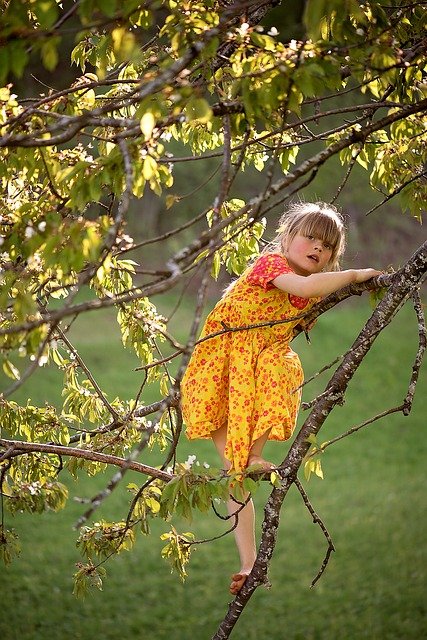
Image by Pezibear from Pixabay

Did you climb trees when you were a child? (Or do you still?)

As a bit of a tomboy in my childhood, I was an inveterate tree-climber.

But I quickly learned that some trees were a lot easier to climb than others.

Some trees have rough bark, prickly needles or sticky, oozing sap: I wouldn’t even bother trying to climb those. Other trees might have smooth bark, but their branches were too close together or too high off the ground for a child to manage.

The old apple tree in my backyard was perfect, however. It had been climbed by generations of neighbourhood kids, with the result that much of the bark on the best branches had been worn smooth by little hands.

Its limbs had open architecture, making them as welcoming to children as open arms. And they were low enough to the ground that even the youngest tyke could clamber up.

That tree was a magnet for the neighbourhood kids, a favourite spot for us to gather. I have fond memories of it!

As I look back, it seems to me that we as believers should try to be a bit more like that old apple tree.

How?

Read more