
Photo by Richard on Flickr CC BY-2.0
Did you grow up in a family that hated wasting things? So did I.
Instead of throwing out old scraps of fabric, my paternal great-grandmother would twist the lengths and sew the resulting cords together into a rag rug. Nothing was wasted.
It was the same on my mother’s side of the family. Material from clothes that were no longer of use would be cut up and sewn into quilts. My Mom recalls sitting underneath the quilting frame as a child when her mother and other female relatives worked together at a quilting bee (Mom thought she was “helping” push the needle back up to the top surface). Even as a little girl, my mother learned an early lesson in letting nothing go to waste.
I must have inherited that trait.
I love recipes that not only produce a yummy result, but that are efficient. By that I mean that you’re not left with partly used cans of an ingredient that will languish in the fridge and eventually have to be thrown out.
I prefer a recipe that uses up the whole can of an ingredient, or, if it calls for 3 egg yolks for the batter, it also calls for 3 egg whites for the filling or a meringue. Nothing is wasted. No leftover egg whites that you have to store until you think of another recipe that can use them up.
Likewise, I think God is efficient in how He manages our lives. He won’t waste anything we go through: it all has a purpose, even the negative parts.
Read more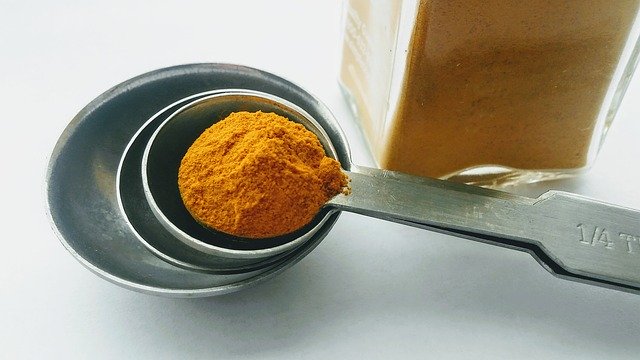
 The Faith Cafe