The Chocolate Doctrine

Photo by Jean Beaufort PublicDomainPictures.net

One of the wonderful things about chocolate (and there are many), is how well it pairs with other foods.

Chocolate seems to go well with just about everything. It marries happily with fruits like strawberries, raspberries, pears, cherries and bananas. It perfectly complements the flavours of nuts, such as peanuts, cashews, hazelnuts, almonds and macadamia nuts.

Chocolate cheerfully coexists with citrus, coconut, ginger, caramel, coffee, dairy or mint. It has even been known to blend with the flavours of chili and meat in some Mexican dishes.

Some adventurous people claim that chocolate goes well with broccoli (well, perhaps…if you held the broccoli).

You’ve got to hand it to a food that is uncompromising about its own flavour yet harmonizes with such a wide variety of other substances.

Did you know that the Bible implies that we should be a bit like chocolate? Not in so many words, of course, but the concept is still there.

Read more
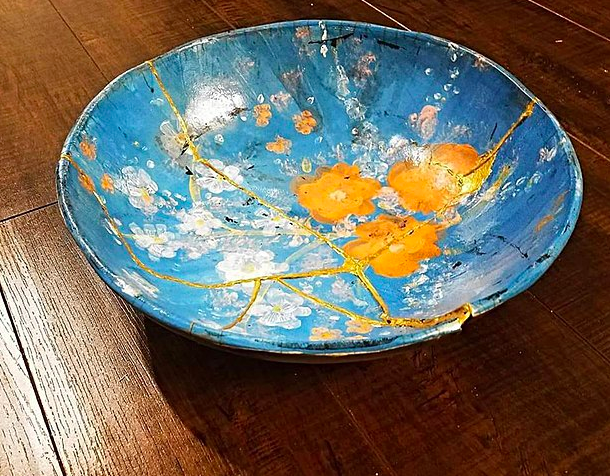
Golden at the Broken Places

Bowl repaired using Kintsugi method by artist Ruthann Hurwitz.
Wikimedia Commons CC BY-SA-4.0

We all shudder at the sound of something breaking, don’t we? We can’t help but wince when we hear glass or crockery shattering into pieces on the floor.

Why do we have that involuntary reaction? Because we know that the object probably can’t be repaired: it’s likely to be damaged irreparably, and must be thrown away.

We’re wincing at the sound of loss.

But what if there were a way to not only put the pieces back together, but to make the object more beautiful than it was before, despite the breaks?

The Japanese long ago invented a way of doing just that, and have even made an art form of it. It’s called “Kintsugi,” which means “golden joinery.”

The process involves mending the cracks in pottery with gold lacquer. Instead of trying to hide the damaged areas, they are instead highlighted with something precious. The end result is a restored piece of pottery that is beautiful at the broken places.

But what happens if it’s not a piece of pottery that is broken, but a life? How can a shattered heart be put back together?

Long ago, God also devised a way to put the pieces of a broken life back together again. God doesn’t throw away broken people; they still have value to Him. He puts them back together again with the gold lacquer of His Son’s love and redemptive power.

Read more

How to Pack for Eternity

Image by Irina L from Pixabay

The way you pack for a trip says something about you.

Some people are super-organized, and that’s reflected in their packing behaviour.

They create lists of things to be done before the trip. Colour-coding of priority tasks is often involved. Any item they could possibly need while abroad is obtained, efficiently packed, and checked off the list.

Some nations have gone to war with less preparation than this.

Other people are more random. Sure, they’ll throw some clothes in a suitcase, but there’s no grand plan they’re following. Often, the things they pack for a trip will be a bit puzzling.

A survey of British travellers revealed the odd things that some people bring along with them wherever they go. The top 10 strangest items that people simply couldn’t do without when on a trip included:

  • Framed pictures of dead cats;
  • A loved one’s ashes;
  • A stuffed pet hamster;
  • An emotional support boa constrictor. (Really?)

But seriously, what’s the most important thing to bring with us on a trip?

People!

The ones we love most: our best buddies or our dearest family members.

Movies like “Home Alone” have taught us the perils of leaving behind someone important when we travel.

But what about life’s most important journey?

The one to our eternal home?

The same holds true. The most important thing to bring with us is people.

Read more