Lost In Translation

Sign on toilet door in Chengdu airport, China
Photo by Anne Roberts on Flickr, CC BY-NC-SA-2.0

There’s a real art to translation: zeroing in on just the right words to convey the nuance of what the original author intended.

Done well, a translated work can be a masterpiece in its own right.

Oftentimes, though, a translation can turn out to be a farce, as in the following examples:

A menu item in Chinese for a roasted gluten dish was translated into English as “Sixi Roasted Husband.” (The perfect dish for wives who’ve finally had enough of their mates?)

A hot and spicy chicken dish on another Chinese menu became “Chicken Rude and Unreasonable” in English. (No wonder the chicken met his end—he had it coming!)

Or this Google Translate zinger: “It’s been the goat in the budget, because His raining badly, so quite short, he is on the bucket month out.” (Not sure what this meant in the original Danish, but I hope the goat was able to figure it out.)

Then there’s the sign for a hair salon in China whose English name is “Could Not Connect To Translator Service.” (A bit of a give-away that they didn’t bother hiring a real live translator?)

Sometimes, we have a different understanding or “translation” of what God actually meant in certain Bible verses.

For example, in times of difficulty, we cling to verses such as Romans 8:28:

“And we know that all things work together for good to those who love God, to those who are the called according to his purpose.”

However, it can often be hard to see what good could possibly come from our difficult situations. We might be going through health challenges, injustice, hardship or loneliness. Where is the good in any of that?

But maybe we have a limited understanding of what “good” means. Perhaps we and God have different “translations” of what this looks like in our lives.

Read more

The Wrong Idea of Dessert

Image of sweet red bean soup by Roland from Flickr, CC BY 2.0

Do you like brownies? How about chocolate cake?

If you do, then you and I are on the same page when it comes to sweets. We both have the same idea of what a perfect dessert is.

Not everyone might agree with us, however.

Take my friend John, whose background is Greek. He likes syrupy-sweet desserts like the Greek classic baklava, or nut-based ones like walnut cake, things I love as well.

John happens to be married to an Asian woman. They agree on most things, except when it comes to dessert.

Case in point: John’s in-laws once treated him to dinner at a Chinese restaurant. They promised him an extra-special dessert to finish off the banquet, something he’d absolutely love.

John couldn’t wait: his mouth was watering in anticipation of this mystery dessert. He imagined something intensely sweet to finish off the meal, perhaps a cake with multiple layers and lots of icing.

But when the dessert was placed in front of him, John was confused.

It was red bean soup.

While this dish is popular among Chinese people and is considered the crown jewel to end a banquet with, it wasn’t John’s idea of dessert. He was gracious in front of his in-laws, but secretly felt cheated.

The problem? John’s definition of dessert was different to that of his in-laws. His expectations were askew, so he was disappointed with what he got.

I think the same thing happens to us when read certain Bible verses—we may build up incorrect expectations based on our ingrained ideas.

Read more

How To Become A Loaf Of Bread

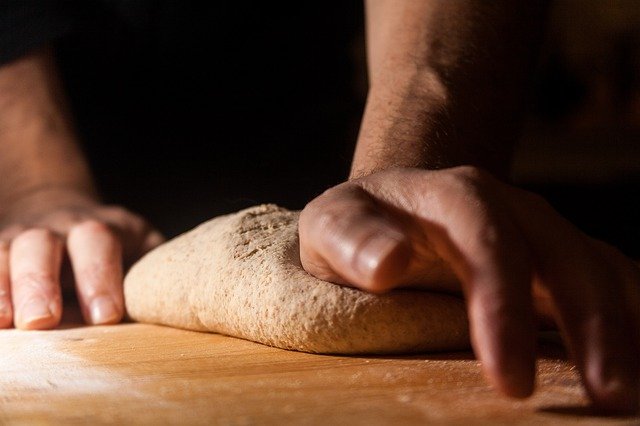
Imagine that you’re a ball of bread dough (for some of us whose figures are a bit “doughy,” this isn’t much of a stretch).

You’ve had your ingredients mixed together nicely, and you’ve been resting for a while after all that effort. You feel good: you’ve even risen higher. It won’t be long now until you become a beautiful loaf of bread.

But wait! What’s that coming toward you? It’s a fist! Someone is actually punching you! You feel yourself deflate, and lose a lot of your volume. Then you’re lifted out of the warm bowl you were in and slapped onto a counter. Ouch! That hurt! The hands are now kneading and pummelling you. You wish they could be a bit more gentle.

Finally, it stops. Thank goodness! That was excruciating! You’re now resting back in your bowl in a warm spot, with a tea towel over you to protect you from drafts and from drying out. You can relax now. At least all that pain is over with.

Or is it? Some time later, here come the hands again. They lift the tea towel and begin punching you down anew, just when you’d risen to your previous height. Not again! You’ve got to be kidding! Wasn’t once enough? Once more, you’re kneaded and prodded, stretched and pressed down hard. What good could this possibly be doing you?

When all the pummelling is finished, you’re shaped and placed into a loaf pan. At least it’s cozy here, and the hands have disappeared for a while. You can rest again. Surely nothing worse will happen to you.

But then suddenly you’re thrust into a searing oven. Yikes, that’s hot! You feel your insides begin to transform, and your surface start to turn brown.

You’re becoming a loaf of bread after all.

But why all the trouble and pain? Was it really necessary?

Yes, because that’s what gave you a finer texture.

Read more

Lost In Translation

Sign on toilet door in Chengdu airport, China
Photo by Anne Roberts on Flickr, CC BY-NC-SA-2.0

There’s a real art to translation: zeroing in on just the right words to convey the nuance of what the original author intended.

Done well, a translated work can be a masterpiece in its own right.

Oftentimes, though, a translation can turn out to be a farce, as in the following examples:

A menu item in Chinese for a roasted gluten dish was translated into English as “Sixi Roasted Husband.” (The perfect dish for wives who’ve finally had enough of their mates?)

A hot and spicy chicken dish on another Chinese menu became “Chicken Rude and Unreasonable” in English. (No wonder the chicken met his end—he had it coming!)

Or this Google Translate zinger: “It’s been the goat in the budget, because His raining badly, so quite short, he is on the bucket month out.” (Not sure what this meant in the original Danish, but I hope the goat was able to figure it out.)

Then there’s the sign for a hair salon in China whose English name is “Could Not Connect To Translator Service.” (A bit of a give-away that they didn’t bother hiring a real live translator?)

Sometimes, we have a different understanding or “translation” of what God actually meant in certain Bible verses.

Read more

When Bad Cakes Happen to Good People

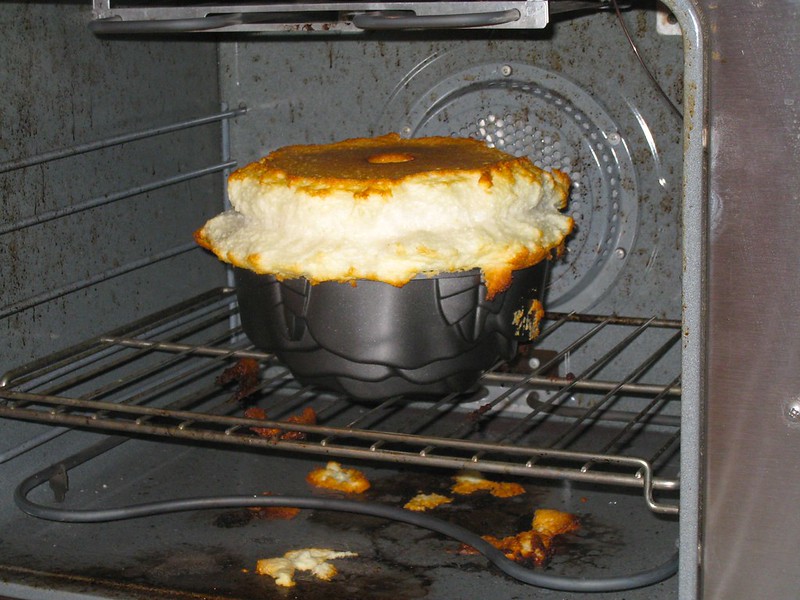
Cake Explosion Photo by Raffi Asdourian on Flickr CC BY-2.0

Sometimes, despite your best efforts, recipes don’t turn out the way they’re supposed to.

Your soufflé turns into a pancake; your cookies are as hard as hockey pucks; or your cake is a soggy mess. Any way you slice it (if it’s even possible to slice it), the recipe results in a total disaster.

Sometimes it’s due to a mistake on your part. You accidentally added twice the amount of an ingredient called for (guilty!); you used Shake ’n’ Bake instead of graham cracker crumbs for the dessert base; or you put the pizza in the oven for 450 minutes at 15 degrees, instead of 15 minutes at 450 degrees.

Or maybe the fault lies with someone else. The recipe’s author might have led you astray by inadvertently calling for 1/2 pound of flour instead of 1/2 cup’s worth. You only discover later that the recipe contained errors when you see a correction printed in the next day’s newspaper or blog post. But by then, of course, it’s too late: your family is using the rock-hard muffins you made as door-stops.

Often, you didn’t see a recipe fail coming at all. You followed the instructions to the letter, but it still didn’t work out. The ingredients may not have behaved as you expected due to humidity, altitude, or their age. Your oven may be hotter or colder than you realized, or your flour is harder than the type tested in the recipe. It wasn’t your fault, but just the nature of baking.

As Marian Keyes puts it in her cookbook, “Saved by Cake,” sometimes bad cakes happen to good people.

It’s the same in our lives, isn’t it? Sometimes things go wrong even when we’ve tried to do everything right. Our lives don’t turn out the way we expected.

But there’s good news for the believer in God: He can redeem any mistake and turn things around for your good and His glory.

Read more