Wikimedia Commons CC BY-SA-4.0
We all shudder at the sound of something breaking, don’t we? We can’t help but wince when we hear glass or crockery shattering into pieces on the floor.
Why do we have that involuntary reaction? Because we know that the object probably can’t be repaired: it’s likely to be damaged irreparably, and must be thrown away.
We’re wincing at the sound of loss.
But what if there were a way to not only put the pieces back together, but to make the object more beautiful than it was before, despite the breaks?
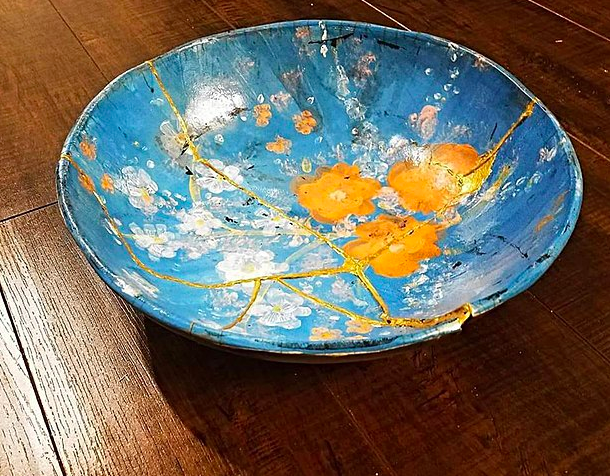
The Japanese long ago invented a way of doing just that, and have even made an art form of it. It’s called “Kintsugi,” which means “golden joinery.”
The process involves mending the cracks in pottery with gold lacquer. Instead of trying to hide the damaged areas, they are instead highlighted with something precious. The end result is a restored piece of pottery that is beautiful at the broken places.
But what happens if it’s not a piece of pottery that is broken, but a life? How can a shattered heart be put back together?
Long ago, God also devised a way to put the pieces of a broken life back together again. God doesn’t throw away broken people; they still have value to Him. He puts them back together again with the gold lacquer of His Son’s love and redemptive power.
Read more
 The Faith Cafe
