Explaining Rituals

Image by Terren in Virginia via Flickr, CC BY 2.0

While I was raking up fallen leaves in the yard recently, a passerby stopped to talk.

This lady was from India, and was curious about why Canadians raked up leaves each fall. Was it some cultural tradition of ours, she asked, a ritual that we enjoyed doing?

I smiled at her mistaken assumption, but explained that if we didn’t rake up the leaves, the lawn underneath would die. With a blanket of leaves blocking the sun and air, the grass would be smothered.

We’re certainly not raking up dozens of bags of leaves because it’s fun!

Our conversation got me thinking about rituals, and how we sometimes need to explain them to puzzled outsiders.

Why do kids dress up in outlandish costumes on Halloween and go door to door asking for candy?

Why do we decorate a tree in our homes at Christmas?

And why do Christians have bread and wine at Communion? Is it because they get hungry and need a snack partway through a church service?

Like Lucy in the old sitcom, we have some explaining to do…

Read more
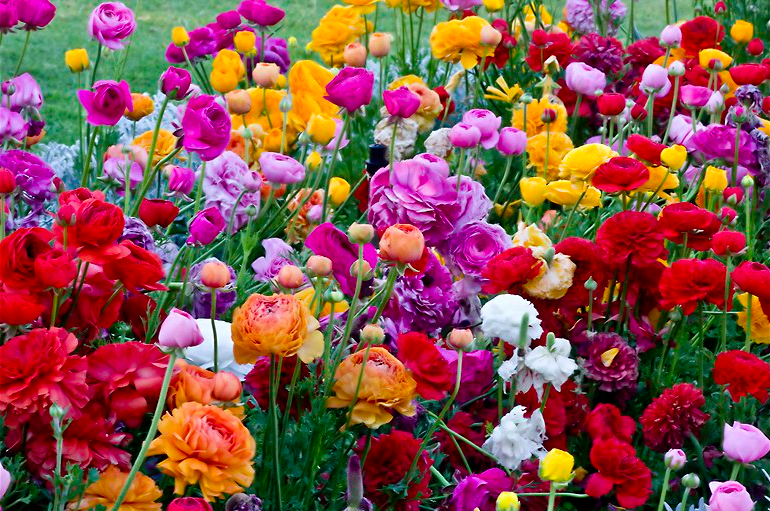
The Language of Flowers and the Language of God

Say it with flowers!
Wikimedia Commons, CC BY-SA-2.0

Flowers speak. Not just through their fragrance or their beauty, but with secret codes, too.

Perhaps you’ve heard of the “language of flowers” popular during Victorian times? This enchanting symbolic language enabled suitors to send coded messages to their paramours, ones that couldn’t be spoken aloud. The message depended on the particular flowers and colours chosen for the bouquet. An entire conversation could be carried out solely through flowers, with no words employed at all.

We all know that red roses symbolize true love, and we’d rightly guess that the forget-me-not begs that the giver be remembered. But did you know the following flower meanings?

Red carnation: My heart aches for you
Hyacinth: Your loveliness charms me
Canterbury bell: Your letter received
Yellow rose: Jealousy
Butterfly weed: Let me go
Weeping willow: Sadness

The Victorian language of flowers is a cryptic tongue. Most people only see the surface of the flower and not the symbolic meaning hidden within it.

God has His own “language of flowers,” but it actually encompasses all of creation. God is continually speaking to us through nature:

“For ever since the world was created, people have seen the earth and sky. Through everything God made, they can clearly see his invisible qualities—his eternal power and divine nature. So they have no excuse for not knowing God.” (Romans 1:20 NLT)

“The heavens proclaim the glory of God. The skies display his craftsmanship.” (Psalm 19:1 NLT)

If we listened in to what nature was saying about its Creator, what messages would be revealed?

Read more