The Mystery of the Larch Tree

It’s easy to categorize trees, isn’t it?

Deciduous trees lose their leaves in the autumn. Coniferous trees bear cones and keep their needles throughout the year. It’s simple to tell them apart.

Case closed, right?

But what about the larch tree? It bears cones and has needles like a conifer, but the needles drop off each autumn like a deciduous tree.

So which is it, coniferous or deciduous?

The answer to this mystery is that it’s both at once. The larch tree is actually a “deciduous conifer.”

Larches fall into a special third category of tree. It’s a member of the pine family, and yet its wood is harder than pine wood; it’s more like the hardwood of deciduous trees. It has needles like a conifer, but they turn a golden yellow each autumn and drop off, like the leaves of a deciduous tree.

Larches are a rare combination of deciduous and coniferous, unique trees with characteristics of both.

You could say that larches are two things at the same time.

In the same way, you could say that Jesus was two things at once. Just as the larch is one tree with two natures, Jesus was one being with dual natures: both God and human.

Read more
God Didn’t Make a Mistake When He Made You

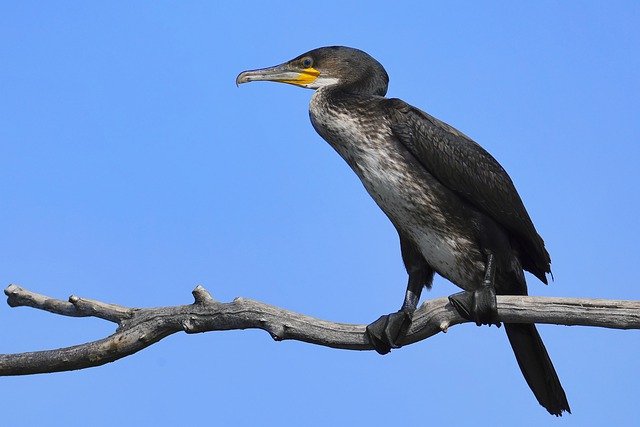
Cormorant. Image by sharkolot from Pixabay

Pity the poor cormorant.

This ungainly waterfowl is never at the top of anyone’s list of favourite birds.

It looks almost prehistoric, with its matte black feathers and strongly hooked bill. It lacks the beauty of a brightly coloured cardinal or the elegance of a swan.

The cormorant sits unusually low in the water, as though it’s about to sink. And because its wing feathers aren’t waterproof like those of other waterfowl, it needs to stand for long periods with wings outstretched, drying its feathers out in the sun.

It’s clumsy on land, and must expend more energy flying than other birds.

Nothing seems quite right about the cormorant.

Did God make a mistake when he fashioned them?

Not at all!

The cormorant’s lack of waterproofing actually plays to its advantage. Its waterlogged feathers make it less buoyant than ducks, enabling it to dive deeper in search of fish to eat.

Cormorants are excellent divers, agile and swift, with some species being able to dive to an astounding 150 feet.

So its “deficiencies” aren’t actually a bug, but rather a feature.

Do you ever feel like you’re not as good at things as other people? Do you feel as though you simply don’t measure up?

Rest assured, God didn’t make a mistake when he made you.

Read more

Beauty in Unexpected Places

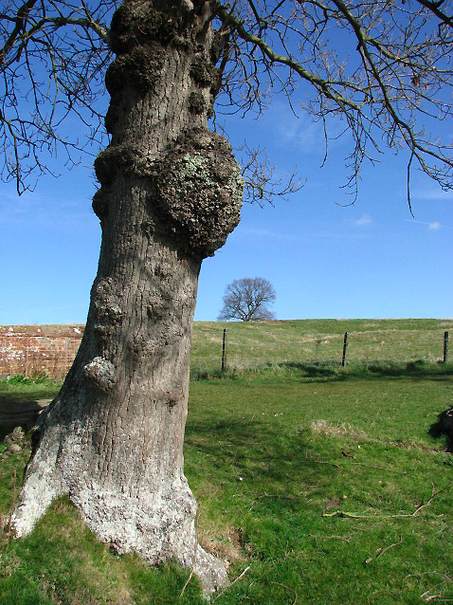
Burl on Tree Trunk.
Image by Evelyn Simak, Wikimedia Commons, CC BY SA-2.0

Sometimes there can be magic hidden within the most unlikely of places.

Take tree burls, for instance (or burrs, to our British friends).

These rounded, knotty growths found on tree trunks can seem very ugly.

Burls form when the tree is under some kind of stress, causing bud growth cells to develop in an abnormal way. Such stressors might include bacteria, viruses, fungi, insect infestations, or wounds. A burl is visible evidence of how the tree is dealing with these attacks.

They look rather like tumours, and mar the otherwise regular pattern of the bark.

Surely there’s nothing good about burls?

But there is.

Their unsightly exterior hides magnificence.

Few people know that inside these contorted and gnarled outgrowths is concealed something wonderful. The wood that burls yield is unusual and highly figured, making it valued and sought after by woodworkers and artists.

This unique wood is prized for its beauty and rarity, and is often used for veneers or inlays in fine furniture, trim or panelling inside luxury cars, and for household objects like bowls or pens, which become works of art.

Do you have a few “burls” in your life? Some knotty problems that have grown into a tangled mess?

Wonder if God could ever bring something good out of them?

He can!

Read more

The Recipe For Your Life

Photo by silviarita on Pixabay

Don’t you love cookie recipes that give you a lot of leeway in creating your own variations?

The instructions will give you the ingredients for a basic cookie, but then list options for different flavours or additions to create your own version.

Perhaps you want to add pecans instead of chocolate chips. Or maybe you’d rather substitute mint flavouring in place of vanilla.

These build-your-own cookie recipes sure are versatile. You get to pick and choose exactly what you want to put in the dough.

Don’t you wish life was like this?

Do you ever wish you could have chosen the “recipe” for your life story? That you could have picked out beforehand which “ingredients” would be part of your life?

Read more