You Were Meant to Soar

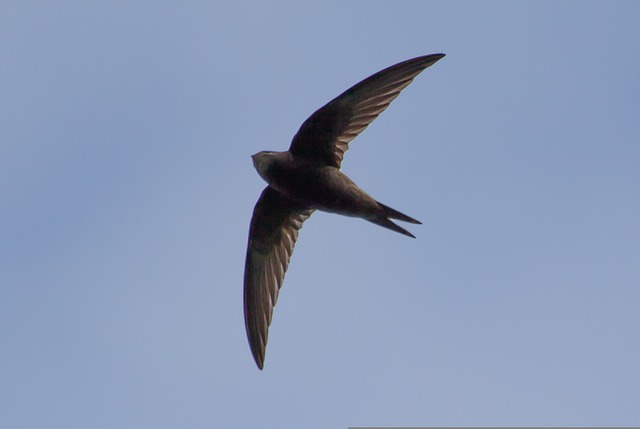
Image of European swift by Kev from Pixabay

What is the ultimate flying machine?

The Concorde? A high-tech fighter jet?

I’d suggest to you that the holder of this title belongs to the common swift.

The swift holds the record for the fastest confirmed level flight of any bird: 111.5 km/h (69.3 mph). (Birds like falcons can fly faster, but only when diving down through the air to catch prey.)

Swifts also spend most of their lives on the wing, landing only to nest. Some individuals can spend up to ten months in continuous flight. In a single year a common swift can cover at least 200,000 km. No other bird spends as much of its life in the sky.

They are truly astonishing creatures.

A funny thing about swifts, though: they don’t do very well on the ground.

Their small, weak legs, which are placed far back on their bodies, are really only good for clinging to vertical surfaces like cliffs. They never voluntarily settle on the ground, where they’d be vulnerable to predation. Although swifts are capable of taking flight from level ground, they prefer to “fall” into the air from a high point.

Simply put, swifts were meant to soar.

And so were you.

But oftentimes there are things inhibiting our flight…

Read more
Being Cruel To Be Kind

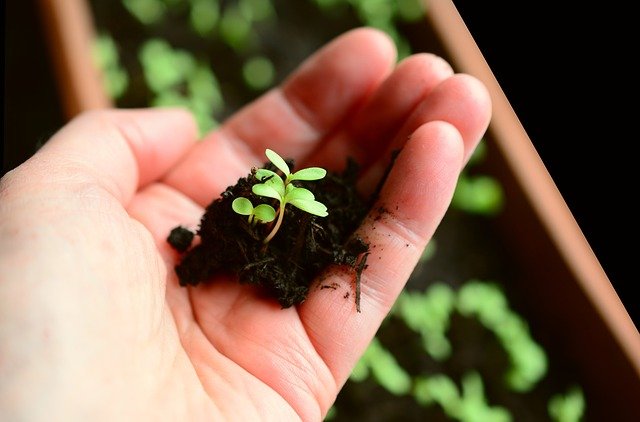
Image by congerdesign from Pixabay

Sometimes, in the garden as in life, you have to be cruel to be kind.

Perhaps like me, you’ve started seeds indoors in late winter. I have a sunny spot in a front bay window where I put my trays of seeds.

I cover them while they’re germinating to keep them warm and moist. After they’ve sprouted, I check the seedlings daily in their protected nook and make sure they’re well watered.

Life for my little seedlings is sweet.

However, I’ve sometimes made the mistake of babying my charges too much. They then shoot up too fast and get “leggy”: their stems are tall but weak.

The problem with this is that when they’re transplanted outdoors, they won’t be able to cope well with the harsher conditions in the garden: the colder night temperatures, the wind buffeting them or the rain pelting on them.

What I need to do is subject the seedlings to a bit of hardship while they’re still in their trays indoors. So I’ve learned that I should blow on them or run my hand over them to simulate wind: this will strengthen their stems. I harden them off by gradually introducing them to greater temperature fluctuations and stronger sunlight. I let them feel a bit of cold.

The seedlings may not like what I’m doing to them, but my efforts will produce stronger plants that will have a better chance of surviving and thriving once translated outside. I do them no favours if I coddle them and leave them unprepared for the hardships they’ll face outdoors.

I think God does the same with us.

Sometimes He subjects us to unwelcome things in order to toughen us up and prepare us for what lies ahead. We may not like it, but He would be an unloving Father if He didn’t do so.

Read more