The Cutworms Of Our Lives

Image by congerdesign from Pixabay

If you’re a young seedling trying to survive, the worst thing that can happen to you is to be set upon by a cutworm.

Gardeners know this all too well. We start seeds indoors early in the season, with grand visions of the sturdy and beautiful plants they’ll eventually become. We baby the seedlings and give them just the right amount of water and light to set them on their journey to a bright future.

But then, soon after we’ve planted the seedlings in their forever home in our garden, disaster strikes.

The dreaded cutworm arrives in the night and stealthily attacks our precious young plants. It eats through their tender stems at ground level, cutting them off at the knees, as it were.

When we eagerly bound outside in the morning to check on the progress of our young charges, we’re confronted with a garden plot that has been laid waste in the most cruel way. Severed young plants lie helplessly wilting, cut off from the roots supplying them with sustenance. There is no hope for them now: they will surely die.

What makes it worse is that the cutworm hasn’t even bothered to eat the whole seedling, like a rabbit would: it seems to have acted out of sheer spite.

The cutworm has done its worst, and all we can do is mourn.

I’m overdramatizing this, of course, but the frustration, anger and sense of powerlessness gardeners feel when faced with the cutworm’s nefarious deeds are very real.

Even if you’re not a gardener, you’ve probably experienced emotions like these in your life. I’m sure we all have.

Because there will always be people trying to cut you down to size.

Read more
Rumour Has It

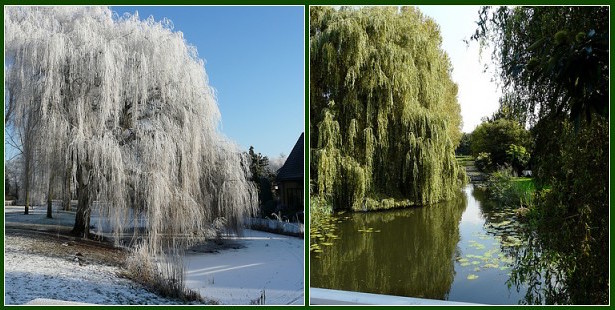
Same tree in winter and summer. Photo by Coanri/Rita on Flickr. CC BY-NC-ND-2.0

It can be hard to believe we’ll ever be back to normal life, can’t it?

We’ve lived so long in this pandemic-induced limbo that sometimes it doesn’t seem plausible that our regular lives will ever resume. It can seem like this state of suspended animation will drag on and on and leave our usual way of life just out of reach.

We might hear of other countries where day-to-day life is approaching normalcy, but this almost seems like a rumour intended to taunt us.

It can feel the same way in the bitter depths of winter, too. We get so accustomed to the frigid temperatures, bare trees and snow-covered landscapes that it’s hard to believe there’s such a thing as summer.

This feeling of incredulity reminds me of a quotation from John Crowley’s fantasy novel, “Little, Big”:

“Love is a myth,” Grandfather Trout said. “Like summer.”

“What?”

“In winter,” Grandfather Trout said, “summer is a myth. A report, a rumour. Not to be believed in. Get it? Love is a myth. So is summer.”

This passage speaks of romantic love, but I think this quotation applies equally well to the way God sometimes works in our lives.

In “winter” seasons of our lives, when things aren’t going well for us, it seems like the status quo will drag on and on. We’re skeptical that anything could ever change. The idea that things will someday turn around for us seems like a cruel rumour, something it’s not safe to believe in.

But as we know, love, like summer, is not a myth or a rumour.

Neither is God’s goodness.

Read more

The Dark Side of the Moon

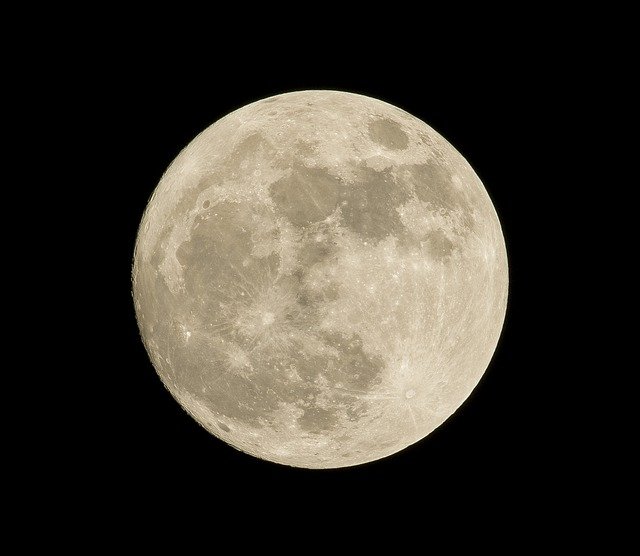
Image by Pexels from Pixabay

Is the “dark side” of the moon truly as dark as we think it is?

From Earth, we only see one side of our companion satellite. The moon is “tidally locked” with our planet, with the result that it always presents the same face to us.

Because we can’t see the side of the moon facing away from the Earth, we sometimes assume that it’s in perpetual darkness.

But this isn’t so. The “dark side” of the moon (which should more accurately be called the “far side”) gets just as much sunlight as the face we see. All sides of the moon receive the sun’s light equally in turn.

From the sun’s perspective, the moon doesn’t have a dark side at all.

It’s our perspective that throws us off and leads us to the wrong conclusion.

We can easily fall prey to misconceptions about our own lives, too. When we don’t have the right perspective, we can assume that things are darker than they really are.

Naomi in the Old Testament Book of Ruth certainly made this mistake.

Read more

Absent-Minded Gardening

Photo by Roman Boed from Pxhere

Have you ever noticed a flower growing in a peculiar spot in your garden and wondered, “How did that get there? Did I do that?”

You might see a rogue tulip popping up incongruously in the middle of your lawn.

Or you do a double-take when you see a cluster of flowers flourishing in the corner, but you have no recollection of having planted them there.

What gives?

In some cases, squirrels might be the culprits. They’re notorious for unearthing tulip bulbs and burying them someplace else for future consumption, only to forget about them.

At other times, you might have tried growing something yourself from seeds but they never seemed to germinate. You give up and completely forget about them. A few years later, however, flowers are blooming in that corner after all, to your great surprise.

The same dynamic is sometimes at play when we plant “seeds” in someone’s life.

Read more

Light in the Darkness

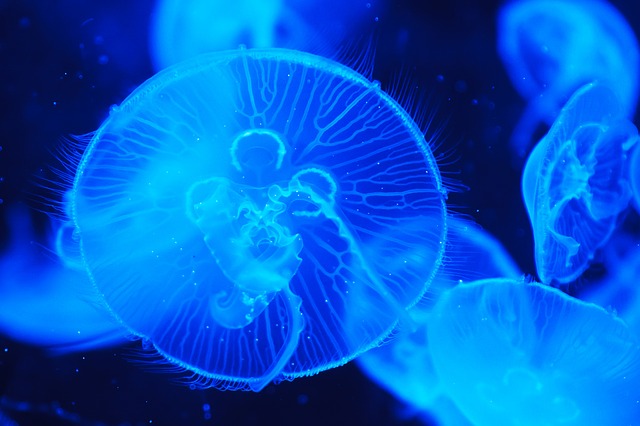
Jellyfish Image by PublicDomainPictures from Pixabay

The Earth’s oceans are a bit mysterious to landlubbers, aren’t they? Especially the farther down you go.

The top zone of the ocean, 200 meters or less from the surface, is called the “sunlight” zone. This zone hosts the vast majority of fish, sea mammals and aquatic plant life that we’d be familiar with.

In the next zone down, the “twilight” zone, the amount of sunlight rapidly diminishes. Such a tiny amount of light penetrates this region that photosynthesis is no longer possible.

But it’s the lowest reaches of the oceans that are the most otherworldly and forbidding.

The bottom zone, below 1,000 meters, is called the “midnight” zone, and with good reason. Sunlight has no hope of penetrating this far down. These inky depths are darker than most humans have ever experienced.

And yet some creatures down here have eyes.

What on earth for? What is there to see in this eternal darkness?

There’s actually still light in the deepest part of the oceans. It comes not from the sun but from bioluminescent creatures. Some deep-sea organisms, like jellyfish, can generate and emit light much the way fireflies do here on land.

There’s still light, even in areas where sunlight never penetrates and the darkness seems impossible to vanquish. Even in the “midnight” zone.

Are you going through a “midnight” of your own?

Does it seem to you that you’re living in a kind of darkness, that you’ll never see the light of day in your situation?

Rest assured that there’s no place on earth where God’s light can’t reach you.

Read more

Leave The Gate Open

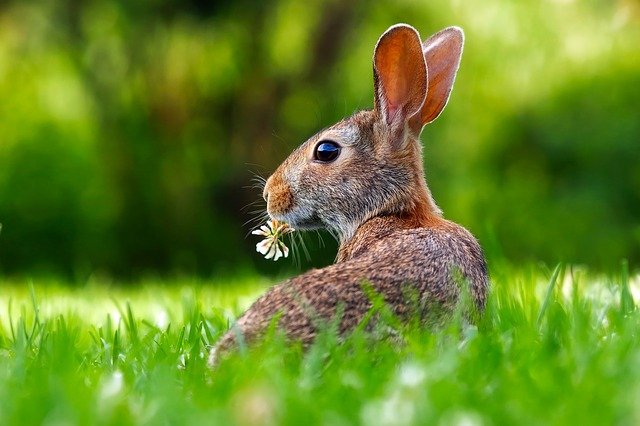
Image by David Mark from Pixabay

As I was doing some yard clean-up in my front garden the other day, I accidentally startled a wild rabbit who had been nibbling on the grass nearby.

Alarmed, he made a dash for the backyard, where I knew the rabbits had made a home in the dense shrubbery in the corner.

The only problem was that I’d closed the gate to the backyard. The rabbit couldn’t get to safety.

The rabbit looked at me nervously, then ran all the way around the perimeter of the fence to where there was another access point the bunnies could use to get into the backyard.

I felt bad that I’d closed off the direct route to his home, and vowed to always leave the back gate slightly ajar for my wild rabbit friends.

It struck me that there was a lesson here for believers.

When it comes to unbelievers, do we “leave the gate open,” so to speak, at our churches?

Or do we put so many obstructions in their way that they find it hard to reach the safety of God’s arms?

Read more

With God, You Get the Flower First!

Redbud blossoms. Photo by Sheila Brown, Public Domain CC0

Sometimes nature can be a bit unpredictable—things happen in an order we wouldn’t expect.

Normally, plants put forth leaves long before they produce flowers.

But some trees and shrubs flip the script, so to speak.

With certain plants, the normal sequence is reversed: the flowers come first, before the leaves have developed.

A good example is the beautiful redbud tree. It puts forth gorgeous pink flowers on its bare branches in early spring, when none of its leaves are yet in sight.

The forsythia shrub bears its bright yellow flowers in advance of its leaves, and the lovely magnolia presents its pink or white blooms before the green foliage appears. Some maples and oaks also exhibit this flower-first behaviour, although with less showy blossoms.

All of these plants give us a treat in springtime when we’re starved for colour. We get the flower first without having to wait for the leaves.

Why do some plants reverse the normal order of things?

Some trees are wind-pollinated, so put forth flowers before their bulky leaves get in the way. The same goes for flowers that need extra sunlight. Other plants produce a mass of conspicuous flowers first, unobscured by leaves, to better attract the attention of pollinating insects.

Did you know that God also flipped the script and gave us the flower first, so to speak?

Read more

Trust In Your Sentinel

Image by Ben Kerckx from Pixabay

It’s nice to have a bodyguard, isn’t it?

Someone who watches over you, keeps tabs on what’s happening to you, and is ready to step in if it looks like you’re headed for trouble.

Even flocks of geese have a bodyguard of sorts. The individual bird which fills this role is called a sentinel.

While the other geese are feeding, individual geese will take turns acting as protectors for the rest of the gaggle. These sentinels will stand guard, necks erect, alert to any threat from predators. They have keen eyesight and hearing, and will honk loudly to warn the others if they sense any danger.

Geese make such effective guards that we humans have often taken advantage of their services. We’ve employed geese at farms and warehouses as living alarm systems, and have even used them to guard U.S. Air Defense Command installations in Germany!

We could all use a sentinel like that in our lives, couldn’t we?

Did you know that if you’re a believer, you already have a “bodyguard”?

It’s God Himself.

Read more

Beauty in Unexpected Places

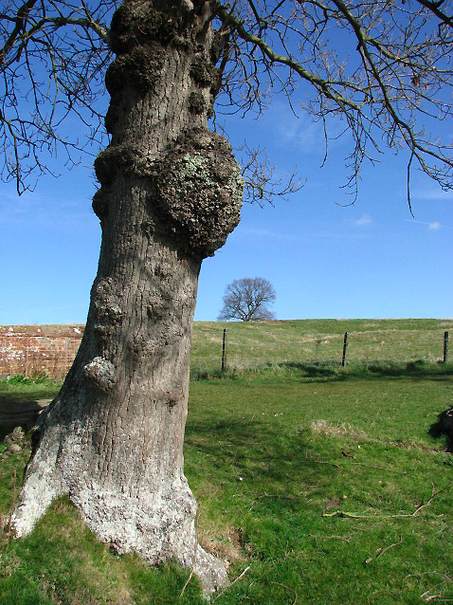
Burl on Tree Trunk.
Image by Evelyn Simak, Wikimedia Commons, CC BY SA-2.0

Sometimes there can be magic hidden within the most unlikely of places.

Take tree burls, for instance (or burrs, to our British friends).

These rounded, knotty growths found on tree trunks can seem very ugly.

Burls form when the tree is under some kind of stress, causing bud growth cells to develop in an abnormal way. Such stressors might include bacteria, viruses, fungi, insect infestations, or wounds. A burl is visible evidence of how the tree is dealing with these attacks.

They look rather like tumours, and mar the otherwise regular pattern of the bark.

Surely there’s nothing good about burls?

But there is.

Their unsightly exterior hides magnificence.

Few people know that inside these contorted and gnarled outgrowths is concealed something wonderful. The wood that burls yield is unusual and highly figured, making it valued and sought after by woodworkers and artists.

This unique wood is prized for its beauty and rarity, and is often used for veneers or inlays in fine furniture, trim or panelling inside luxury cars, and for household objects like bowls or pens, which become works of art.

Do you have a few “burls” in your life? Some knotty problems that have grown into a tangled mess?

Wonder if God could ever bring something good out of them?

He can!

Read more

The Best Tree to Climb

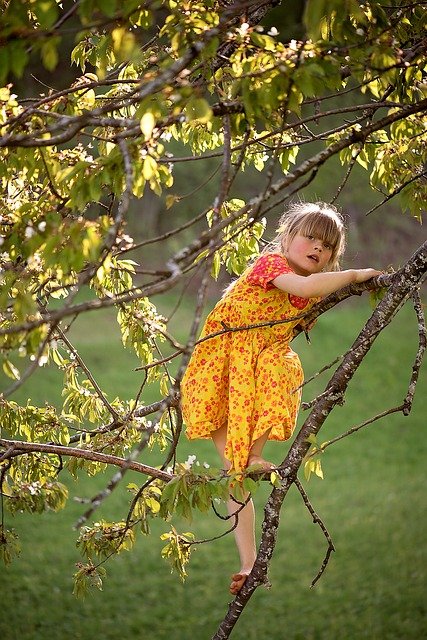
Image by Pezibear from Pixabay

Did you climb trees when you were a child? (Or do you still?)

As a bit of a tomboy in my childhood, I was an inveterate tree-climber.

But I quickly learned that some trees were a lot easier to climb than others.

Some trees have rough bark, prickly needles or sticky, oozing sap: I wouldn’t even bother trying to climb those. Other trees might have smooth bark, but their branches were too close together or too high off the ground for a child to manage.

The old apple tree in my backyard was perfect, however. It had been climbed by generations of neighbourhood kids, with the result that much of the bark on the best branches had been worn smooth by little hands.

Its limbs had open architecture, making them as welcoming to children as open arms. And they were low enough to the ground that even the youngest tyke could clamber up.

That tree was a magnet for the neighbourhood kids, a favourite spot for us to gather. I have fond memories of it!

As I look back, it seems to me that we as believers should try to be a bit more like that old apple tree.

How?

Read more