
The shortest day of the year in the northern hemisphere is the winter solstice, which occurred last year on December 21st. From that day on, the days begin to lengthen and the sun’s position in the sky begins to rise from our perspective.
But if the days are now getting longer and we’re getting more sunlight, why does it keep getting colder and snowier here in January and February?
Where is spring?
There are two reasons for this temperature lag: one having to do with the tilt of the earth, the other with how slowly the earth heats up and cools down in response to the sun’s energy.
Think of a rock near a bonfire. When the fire is first lit, the rock will stay cool for a while. It takes time for it to heat up, even though it’s being exposed to a roaring fire. The rock will eventually absorb the fire’s heat, though, and will retain that heat for a while even after the fire is put out.
Similarly, even though the days are now lengthening, it takes time for the earth to warm up, resulting in colder temperatures in the early months of the year. The earth is also slow to release accumulated heat energy from the sun after the summer solstice in June. This gives us hotter July and August days in the northern hemisphere, even as the days are getting shorter.
In the same way, sometimes we pray about something but don’t see any immediate results. There seems to be an inexplicable “lag” in receiving answers to our prayers. We don’t see any evidence that things are changing; in fact, our situation might seem to get worse.
What’s going on? Where is our “spring”?
I think we need to understand that God can answer our prayers in several ways.
Read more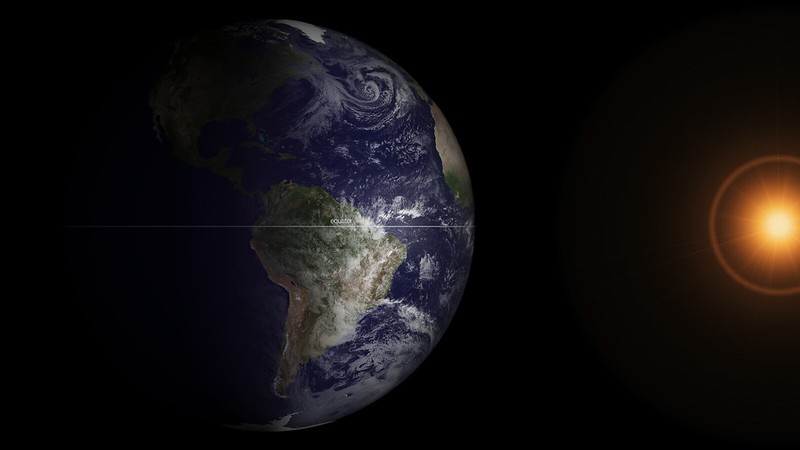
 The Faith Cafe